Introduction
Imagine this: you’ve just undergone a session of laser hair removal, expecting silky smooth skin only to find pesky stubble lingering behind. It’s not uncommon, and understanding why this happens can help you better prepare and manage your expectations. In this article, we will explore the reasons behind the appearance of stubble after laser hair removal and provide insightful tips to maintain that coveted smoothness.
- Understanding Laser Hair Removal
- Reasons for Stubble Appearance
- Managing Post-Laser Stubble
- Key Takeaways
- FAQs
- Conclusion
Understanding Laser Hair Removal
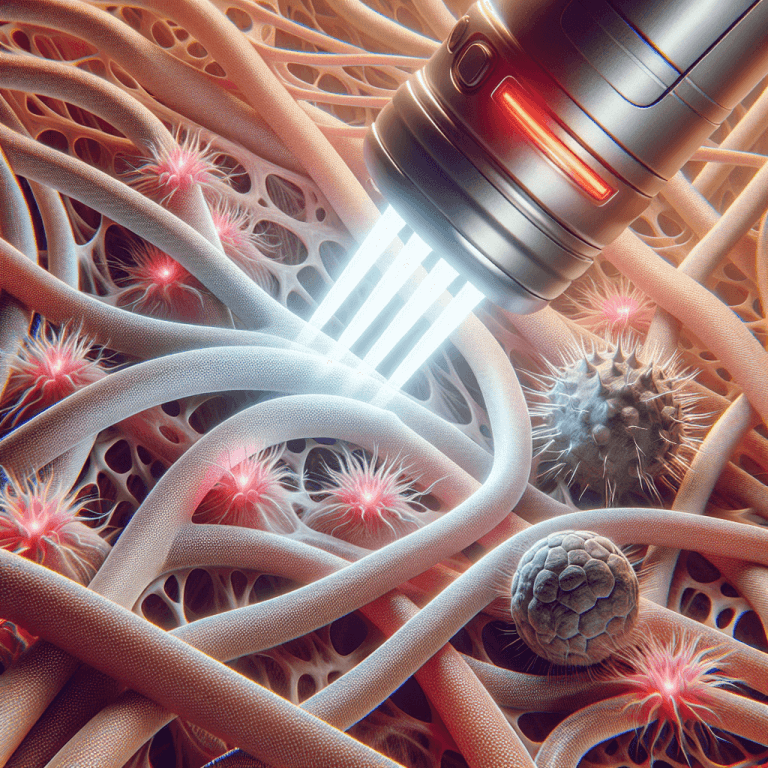
Laser hair removal is a popular and effective method for long-term hair reduction. It works by targeting the pigment in hair follicles with concentrated light beams, which damage the follicle and inhibit future growth. While it offers numerous benefits, such as precision and speed, it’s essential to understand that the process involves multiple sessions to achieve optimal results.
For a comprehensive overview of laser hair removal, including its benefits, you can read more on our page here.
Reasons for Stubble Appearance
The Hair Growth Cycle
One of the primary reasons for stubble appearing after laser hair removal is the natural hair growth cycle. Our hair goes through different phases: the growth phase (anagen), the transitional phase (catagen), and the resting phase (telogen). Laser treatment is most effective during the anagen phase when the hair is actively growing. However, not all hairs are in this phase simultaneously.
Shed Hair
After a laser session, the treated hairs are damaged but may remain in the follicle until they naturally shed. This process can take a few days to weeks, during which these hairs might appear as stubble on the skin’s surface.
Missed Hairs
It’s also possible that some hairs were missed during the laser session or were too fine or light for the laser to effectively target. These hairs will continue to grow, contributing to the appearance of stubble.
Managing Post-Laser Stubble
If you’re dealing with stubborn stubble after laser hair removal, don’t fret. Here are some practical steps to ensure smooth skin:
Exfoliation
Gently exfoliating your skin can help remove dead skin cells and assist in shedding treated hairs. However, be cautious not to irritate the skin post-treatment.
Patience
Remember that achieving smooth, hair-free skin takes time and multiple sessions. Be patient and allow the process to work over several treatments.
Avoid Plucking or Waxing
Avoid plucking or waxing between laser sessions, as these methods can disrupt the hair growth cycle and reduce the effectiveness of laser treatment. Shaving is the recommended method for maintaining hair between sessions.
For more detailed aftercare tips, check out our article on aftercare tips.
Key Takeaways
- Stubble after laser hair removal is common due to the natural hair growth cycle.
- Treated hairs may remain in the follicle until they naturally shed.
- Patience and proper skincare are essential for achieving smooth, hair-free skin.
- Avoid plucking or waxing between sessions to ensure optimal results.
FAQs
Is it normal to have stubble after laser hair removal?
Yes, it is normal due to the hair growth cycle and the time it takes for treated hairs to shed naturally.
How long does it take for stubble to disappear after laser treatment?
The treated hairs typically shed within a few days to weeks. Patience is key as multiple sessions are required for optimal results.
Can I shave the stubble after laser hair removal?
Yes, shaving is recommended over plucking or waxing to maintain the effectiveness of your laser treatments.
Conclusion
The journey to smooth, hair-free skin with laser hair removal is akin to a marathon rather than a sprint. Embrace the process, follow proper aftercare, and soon enough, you’ll say goodbye to unwanted hair for good. If you’re curious about the benefits of laser hair removal or want to learn more about what to expect during your sessions, explore our in-depth pages on benefits and expectations.
For further reading on reliable sources regarding skincare and hair removal techniques, consult reputable organizations such as the American Academy of Dermatology.