Introduction
Imagine a life where the constant battle with razors, waxing strips, or depilatory creams is a thing of the past. Laser hair removal offers just that—a promise of smooth, hair-free skin that lasts. However, one question often lingers: Does lasered pubic hair grow back? This article dives deep into the science behind laser hair removal, what you can expect in terms of regrowth, and how to achieve the best results.
- The Science Behind Laser Hair Removal
- Understanding Pubic Hair Growth Cycles
- Factors Affecting Hair Regrowth
- Long-Term Results and Maintenance
- Key Takeaways
- FAQs
- Conclusion
The Science Behind Laser Hair Removal
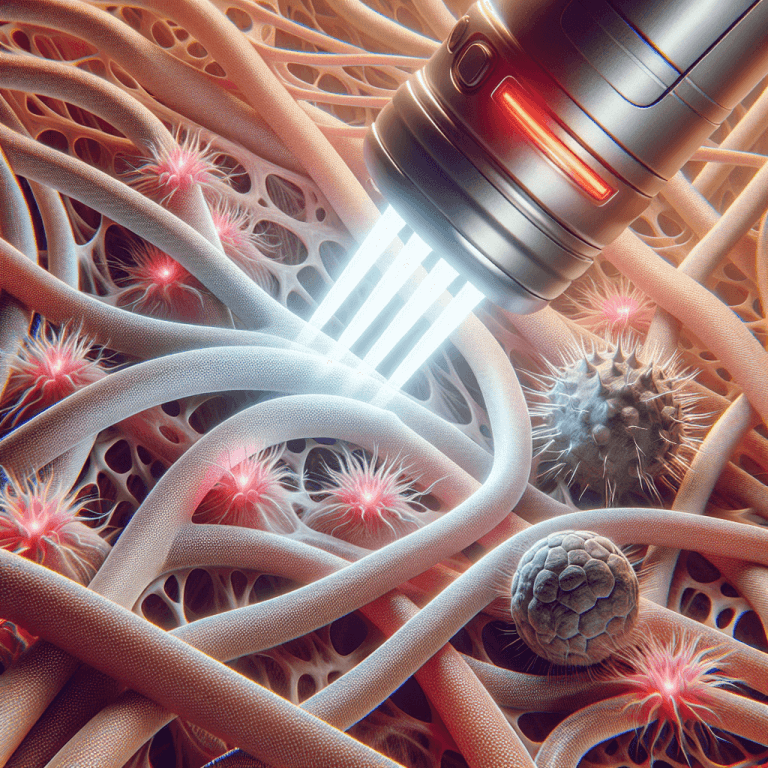
Laser hair removal works by targeting the melanin (pigment) in hair follicles with concentrated light beams. This light converts to heat, damaging the follicle enough to delay future hair growth. But does this mean your pubic hair is gone forever?
According to the American Academy of Dermatology, while laser treatments significantly reduce hair growth, they may not entirely eliminate it. Some follicles enter a dormant state and might later reactivate.
Understanding Pubic Hair Growth Cycles
Hair growth occurs in cycles: anagen (growth), catagen (transitional), and telogen (resting). Laser hair removal is most effective during the anagen phase when the hair is actively growing. Since not all hairs are in the same phase simultaneously, multiple treatment sessions are necessary to target each follicle effectively.
Factors Affecting Hair Regrowth
Various factors influence whether and how quickly lasered pubic hair grows back:
- Skin and Hair Color: Laser treatments generally work best on individuals with light skin and dark hair due to the contrast in pigment.
- Hormonal Changes: Conditions like polycystic ovary syndrome (PCOS) or hormonal imbalances can spur new hair growth.
- Treatment Consistency: Following the recommended number of sessions and adhering to aftercare guidelines are crucial for optimal results.
Long-Term Results and Maintenance
While laser hair removal can offer long-term reduction, maintenance sessions might be necessary to keep pubic hair at bay. Imagine it as tending to a garden—initial effort yields lush blooms, but occasional touch-ups keep it pristine. For more information on what to expect from laser treatments, check out our guide on laser hair removal expectations.
Key Takeaways
- Laser hair removal targets melanin in hair follicles to delay growth.
- Multiple sessions are required due to different hair growth cycles.
- Factors like skin color, hormonal changes, and treatment consistency affect regrowth.
- Maintenance sessions might be necessary for long-term smoothness.
FAQs
Can laser hair removal completely stop pubic hair from growing?
No, while it significantly reduces growth, some follicles may become dormant and reactivate later.
How many sessions are needed for effective results?
Typically, 6-8 sessions spaced several weeks apart are needed for optimal results. Consult with your specialist for personalized advice.
Is laser hair removal painful?
The sensation varies per individual but is often described as a rubber band snap against the skin. Numbing creams or cooling devices can minimize discomfort.
Conclusion
In essence, while laser hair removal offers a promising solution to managing unwanted pubic hair, achieving smooth, long-lasting results requires understanding the process and being consistent with treatments. If you’re ready to embark on this journey, explore the benefits of laser treatments offered at our spa. For more detailed insights, visit our page on laser hair removal benefits. The path to hassle-free smoothness awaits you!
For additional professional guidance and services tailored to your needs, you can always turn to reputable resources like the Mayo Clinic’s overview on laser hair removal.