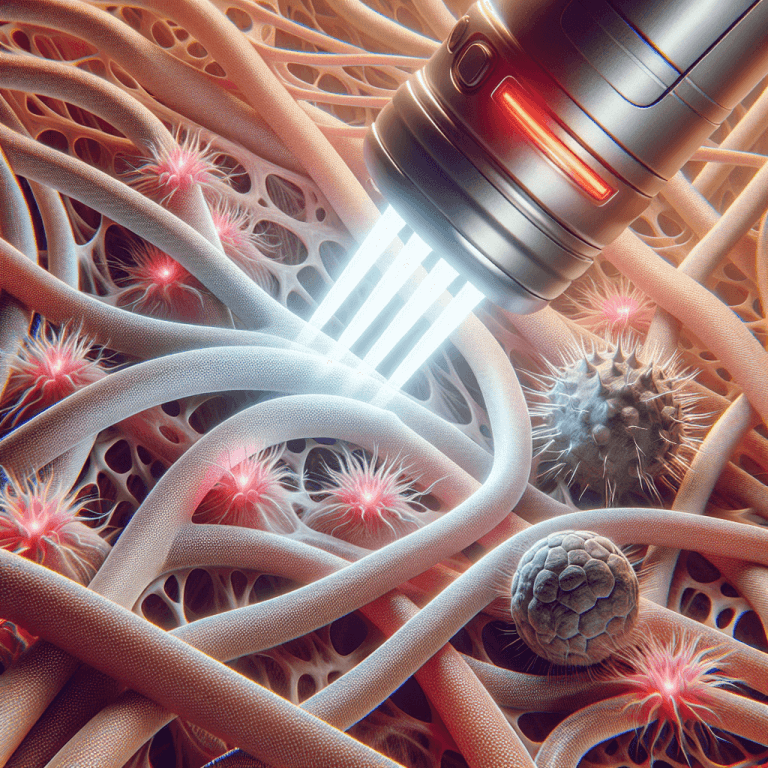
Laser hair removal is often perceived as painful, but effective pain management strategies can significantly reduce discomfort during sessions. This article explores how understanding inflammation is key to enhancing the beauty experience of these treatments. It outlines practical pre-treatment strategies and techniques to manage pain during the procedure, along with post-treatment care options. Readers will learn actionable solutions to address their pain concerns, making their journey to smooth skin more comfortable. By following these guidelines, individuals can approach their laser hair removal sessions with confidence and ease, reflecting the insights shared by experts, including those at the Mayo Clinic.
Key Takeaways
- Individual pain thresholds significantly affect discomfort levels during laser hair removal treatments
- Areas with thinner skin, like the bikini line, may experience more pain during procedures
- Effective pain management includes proper consultations and the use of topical anesthetics
- Hydration and skin preparation can enhance comfort and treatment outcomes
- Choosing a clinic with experienced technicians is crucial for a comfortable laser hair removal experience
Understanding Pain in Laser Hair Removal Sessions

Various factors contribute to discomfort during laser hair removal sessions, including sensitivity levels across different body areas and individual pain thresholds. The American Academy of Dermatology highlights the importance of understanding these elements for effective pain management. Additionally, the use of gel or anesthesia, along with staying hydrated to prevent dehydration, can enhance the overall experience, especially during procedures like Brazilian laser hair removal.
Factors That Contribute to Discomfort
Discomfort during laser hair removal can arise from various factors, including the body’s sensitivity levels and the specific area being treated. Areas with thinner skin, such as the bikini line or underarms, may produce a heightened perception of pain. In some cases, patients may also experience side effects like edema or localized burns, particularly if they have conditions such as hyperpigmentation, which can affect their skin’s response to the treatment. Understanding these factors can aid in effective pain management and enhance the overall treatment experience:
| Factor | Explanation |
|---|---|
| Skin Sensitivity | Thinner skin may lead to increased discomfort. |
| Pain Perception | Individual pain thresholds vary, affecting experience. |
| Edema | Swelling post-treatment can contribute to discomfort. |
| Burn Risks | Improper settings can lead to burns, increasing pain. |
| Hyperpigmentation | Can influence skin sensitivity and response to treatment. |
Sensitivity Levels Across Different Body Areas
Sensitivity levels vary significantly across different body areas during laser hair removal, which can influence the overall comfort of the experience. For instance, regions like the bikini line and underarms are often more sensitive, heightening fear of pain for many individuals. Utilizing a topical anesthetic, such as lidocaine, can effectively reduce discomfort in these areas, allowing for a more enjoyable session while addressing concerns associated with sensitive skin and body hair removal.
The Role of Individual Pain Thresholds
The role of individual pain thresholds plays a significant part in the experience of laser hair removal. Different people have varying tolerances for pain, which can affect how they respond to the sensation created by the laser, particularly those using a diode machine that may feel similar to a rubber band snap against the skin. Understanding these personal thresholds is crucial, as patients with lower pain tolerance may benefit from additional methods of pain management, such as topical anesthetics, especially when targeting sensitive areas like facial hair or during procedures following waxing.
- Individual pain thresholds vary among people.
- Diode lasers can create sensations similar to a rubber band snap.
- Topical anesthetics can enhance comfort during sensitive procedures.
- Awareness of pain levels helps in tailoring hair removal strategies.
Pain can linger in the mind long after the session ends. Preparing beforehand can ease that burden and lead to a smoother experience.
Pre-Treatment Strategies to Minimize Discomfort

Effective pain management in laser hair removal sessions begins with a thorough consultation to understand individual needs. Using topical numbing creams can significantly reduce irritation, especially in sensitive areas like the chin. Additionally, ensuring proper hydration and skin preparation through techniques such as shaving can enhance comfort before treatment. Each of these strategies plays a crucial role in minimizing discomfort during the procedure.
Importance of a Thorough Consultation
Having a thorough consultation prior to laser hair removal is essential for establishing an effective pain management strategy. This session allows practitioners to assess individual needs, such as skin type and hair characteristics, informing the treatment plan. For individuals dealing with hirsutism, understanding melanin levels is critical as it affects how the skin reacts to laser technology. This proactive approach can help minimize potential side effects, making it essential for patients to discuss any concerns about sensitivity, as well as the use of soothing remedies like lotion or ice packs to enhance comfort.
| Consultation Aspect | Description |
|---|---|
| Skin Type Assessment | Determining skin type helps tailor treatment and minimize side effects. |
| Hair Characteristics Review | Understanding melanin levels aids in selecting the appropriate laser settings. |
| Discussion of Concerns | Patients can raise issues about sensitivity and pain, enhancing comfort. |
| Preparation Recommendations | Suggestions on using lotion or ice packs can improve the experience. |
Using Topical Numbing Creams Effectively
Using topical anesthetics effectively can significantly reduce pain during laser hair removal sessions. These anesthetics, applied at least 30 minutes before treatment, numb the skin’s surface, making procedures like lip hair removal more tolerable. Patients should consult with their practitioner to select the appropriate strength of the anesthetic, as this can enhance comfort during the procedure:
| Application Step | Details |
|---|---|
| Timing | Apply the topical anesthetic at least 30 minutes before the session. |
| Consultation | Discuss options with the practitioner to determine the right strength. |
| Target Areas | Focus on sensitive areas like the lip and bikini line for best results. |
| Aftercare | Follow up with recommended aftercare to minimize irritation. |
Hydration and Skin Preparation Tips
Hydration plays a crucial role in skin preparation for laser hair removal, especially in areas such as the bikini line where pigment concentration can impact outcomes. Keeping the skin adequately hydrated helps maintain elasticity and could potentially enhance pain tolerance during treatment. Integrating this hydration strategy along with shaving the area prior to sessions can lead to a more effective and comfortable experience, so consulting with a practitioner with board certification in laser treatments is advisable for personalized recommendations:
- Maintain hydration for skin elasticity.
- Shave the treatment area before the session.
- Consult a certified professional for tailored advice.
With preparation in place, the next step is to consider what happens during the sessions. Understanding pain reduction techniques can make the experience smoother and more comfortable.
Pain Reduction Techniques During Sessions

Utilizing cooling technologies can significantly alleviate discomfort during laser hair removal sessions by minimizing the risk of pain associated with high-energy devices. Adjusting laser settings tailored to individual sensitivity levels further enhances comfort. Additionally, incorporating breathing and relaxation methods can help patients manage their responses to pain while on medication for anxiety or discomfort, providing a smoother experience throughout the treatment.
Utilizing Cooling Technologies
Utilizing cooling technologies during laser hair removal can significantly enhance patient comfort, particularly for those with dark skin who may be more sensitive to heat. Devices that offer cooling features, such as cryogen sprays or chilled air, help to reduce the sensation of pain, making the procedure more accessible and less daunting. Moreover, educating patients about the importance of breathing techniques can further mitigate discomfort and anxiety, especially for those who might feel sunburn-like sensations during treatment.
Adjusting Laser Settings for Comfort
Adjusting laser settings for comfort is a crucial aspect of effective pain management during laser hair removal. A qualified physician can tailor the intensity and duration of the laser pulses based on the patient’s skin type, particularly for light skin, ensuring a more comfortable experience while minimizing the risk of scarring. By personalizing the treatment to each individual’s needs, those searching for “laser hair removal near me” can find a provider committed to optimizing both results and comfort throughout the procedure.
Breathing and Relaxation Methods During Treatment
Breathing and relaxation techniques play a significant role in pain management during laser hair removal sessions. Practitioners often encourage patients to focus on their breathing, taking slow, deep breaths to help reduce feelings of anxiety and discomfort. Techniques such as visualization or progressive muscle relaxation can also help patients stay calm, allowing them to cope better with the sensations of the treatment and enhancing their overall experience.
After the session ends, what comes next matters just as much. Understanding post-treatment care can further ease discomfort and enhance recovery.
Post-Treatment Care for Pain Relief

Post-treatment care is essential for relieving discomfort and ensuring a smooth recovery following laser hair removal sessions. Applying soothing aloe vera or gel can calm irritated skin and relieve pain. Additionally, avoiding irritants will help prevent discomfort. Recognizing and treating common side effects, such as redness or swelling, is crucial for optimal healing and patient satisfaction.
Applying Soothing Aloe Vera or Gel
Applying soothing aloe vera or gel after laser hair removal can significantly alleviate discomfort and promote healing. Aloe vera is known for its anti-inflammatory properties, which can help reduce redness and swelling experienced post-treatment. For optimal relief, patients are advised to apply a generous layer of aloe vera gel to the treated area, ensuring that the skin remains nourished and hydrated:
| Care Aspect | Details |
|---|---|
| Application Timing | Apply aloe vera immediately after treatment for best results. |
| Benefits | Reduces redness, swelling, and irritation. |
| Skin Hydration | Nourishes and keeps the skin moisturized, aiding recovery. |
Avoiding Irritants to Prevent Discomfort
Avoiding irritants post-laser hair removal is crucial for ensuring comfort and promoting healing. Patients are advised to refrain from applying harsh skincare products, fragrances, or exfoliants to the treated areas, as these can exacerbate irritation and prolong discomfort. By opting for gentle moisturizers and following the practitioner’s aftercare instructions, individuals can significantly enhance their recovery process and minimize any potential pain following their session.
Recognizing and Treating Common Side Effects
After laser hair removal, recognizing and treating common side effects such as redness, swelling, and irritation is essential for effective pain management. These symptoms typically occur due to the heat generated during the procedure, impacting the skin’s surface. To treat these side effects, patients should apply soothing products like aloe vera and avoid irritating substances for optimal relief:
| Side Effect | Treatment |
|---|---|
| Redness | Use cooling gels or aloe vera to calm the area. |
| Swelling | Apply a cold compress to reduce inflammation. |
| Irritation | Avoid harsh skincare products; opt for gentle moisturizers. |
Post-treatment care is crucial for comfort and recovery. Yet, there are other paths to explore for managing pain effectively.
Alternative Pain Management Options

Alternative pain management options for laser hair removal sessions include over-the-counter pain relievers, natural remedies, and holistic approaches. These strategies can help enhance comfort and ease the experience. Additionally, cases requiring more significant intervention may warrant consideration of nerve blocks or advanced options. Each of these methods can provide practical solutions to mitigate discomfort during treatment.
Over-the-Counter Pain Relievers
Over-the-counter pain relievers, such as ibuprofen or acetaminophen, can effectively manage discomfort associated with laser hair removal sessions. Taking these medications before the procedure can help minimize pain sensitivity, allowing patients to better tolerate the sensations created by the laser. It is essential for individuals to consult with their practitioner to determine the appropriate dosage and timing for these pain relievers, ensuring they align with their specific needs for a more comfortable experience.
Natural Remedies and Holistic Approaches
Natural remedies and holistic approaches can provide valuable options for managing discomfort during laser hair removal sessions. For example, applying ice packs before treatment can numb the skin and reduce pain perception. Additionally, herbal supplements like chamomile or valerian root may help promote relaxation and enhance overall comfort, making the process easier for individuals concerned about pain. Such methods allow patients to take an active role in their pain management, providing an alternative to pharmaceuticals during their laser treatments.
When to Consider Nerve Blocks or Advanced Options
Nerve blocks or advanced options for pain management can be considered for individuals who anticipate significant discomfort during laser hair removal sessions, particularly those with low pain thresholds or sensitive skin. These techniques can provide more substantial pain relief and may be appropriate for larger treatment areas or for patients undergoing extensive procedures. Consulting with a qualified practitioner about these options ensures that patients receive tailored pain management solutions that cater to their specific needs, enhancing their overall treatment experience.
Finding relief from pain is a journey. Choosing the right clinic, one that prioritizes comfort, can make all the difference.
Selecting a Clinic That Prioritizes Patient Comfort

Choosing a clinic that prioritizes patient comfort is critical for a positive laser hair removal experience. Evaluating the expertise of laser technicians ensures safe and effective treatment. Patients should also ask specific questions about pain management practices offered during sessions. Reading reviews on patient experiences provides valuable insights into how well a clinic addresses discomfort, guiding individuals in their selection process.
Evaluating the Expertise of Laser Technicians
When selecting a clinic for laser hair removal, evaluating the expertise of laser technicians is crucial to ensure a comfortable experience. Qualified technicians should possess certifications and have extensive training in laser technology and skin anatomy. Patients can also inquire about the practitioner’s experience with managing pain during sessions, as this knowledge plays a pivotal role in fostering a safe environment where discomfort is minimized and procedures are performed effectively.
Questions to Ask About Pain Management Practices
When selecting a clinic for laser hair removal, potential patients should ask targeted questions about pain management practices to gauge how the clinic prioritizes their comfort. Inquire about the types of pain relief options available, such as topical anesthetics or cooling technologies, and how these methods are tailored to different skin types and sensitivities. Additionally, understanding the technician’s experience in managing discomfort can provide reassurance and influence the overall treatment experience, ensuring a more comfortable session:
| Question | Purpose |
|---|---|
| What pain management options do you offer? | To learn about various methods available for reducing discomfort during sessions. |
| How do you tailor pain relief strategies for sensitive areas? | To ensure that techniques are customized based on individual patient needs. |
| What is your experience with managing pain during procedures? | To assess the technician’s expertise and ability to minimize discomfort. |
Reading Reviews on Patient Experiences With Pain Management
Reading reviews on patient experiences with pain management is a valuable step when choosing a clinic for laser hair removal. These reviews often highlight how effectively clinics address discomfort during sessions, providing insights into specific pain management techniques employed. By gathering firsthand accounts, potential patients can better understand the clinic’s approach to comfort, enabling informed decisions that prioritize their needs and enhance their overall treatment experience.
Conclusion
Effective pain management strategies for laser hair removal sessions are essential for enhancing patient comfort and ensuring a positive experience. Understanding individual sensitivity levels, employing topical anesthetics, and utilizing cooling technologies can significantly alleviate discomfort during treatment. A thorough consultation with qualified professionals enables customized approaches that cater to each patient‘s unique needs. By prioritizing pain management, clinics can foster a more welcoming environment, ultimately leading to higher patient satisfaction and successful treatment outcomes.