Laser hair removal can lead to inflammation and discomfort, raising concerns about proper aftercare. This guide offers essential tips for post-laser hair removal skin care, focusing on immediate care steps and products to avoid to reduce the risk of rashes. Readers will learn how to manage their skin effectively, ensuring a smooth recovery while maintaining their beauty routine. By following these guidelines, individuals can minimize side effects and protect their skin from harmful sunlight and harsh acids, ultimately achieving the best results from their treatment.
Key Takeaways
- Understanding selective photothermolysis is key for effective laser hair removal results
- Post-treatment care is vital to minimize discomfort and enhance recovery after the procedure
- Clients should avoid heat and sweating for 24 to 48 hours following treatment
- Recognizing normal side effects can aid in distinguishing them from potential complications
- Scheduling follow-up treatments is essential for maintaining optimal hair reduction results
Understanding the Laser Hair Removal Process

The laser hair removal process involves understanding the science behind it, including how lasers target the hair follicles while minimizing discomfort to the surrounding epidermis. Common areas for treatment, such as the legs, arms, and neck, provide an array of options for patients. Clients can expect the application of a cooling gel during their session, which helps reduce friction and enhance comfort.
Each of these aspects informs clients on what to expect, helping to set realistic expectations for the procedure and subsequent skin care needs.
The Science Behind Laser Hair Removal
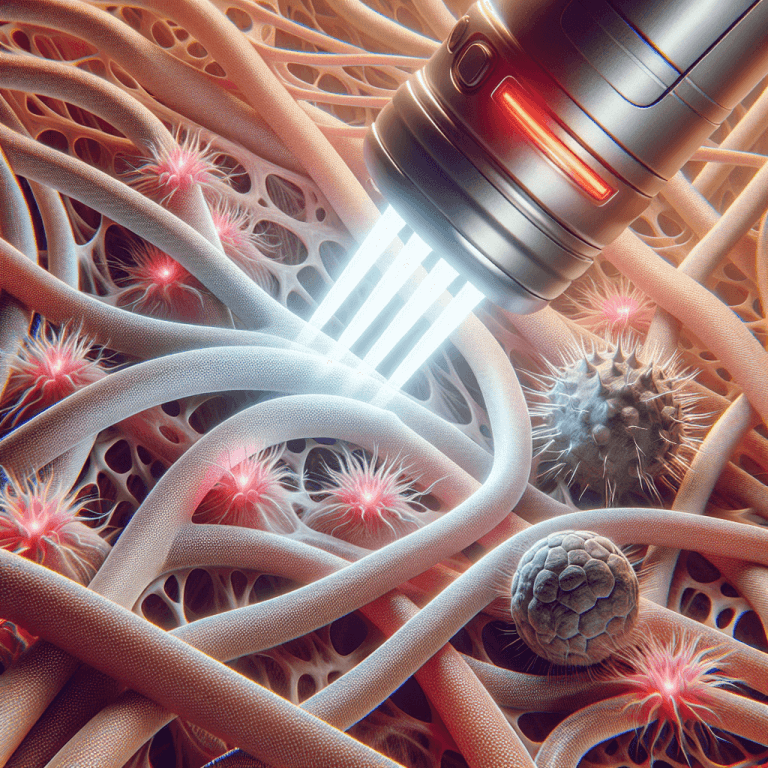
The science behind laser hair removal relies on the principle of selective photothermolysis. This process involves targeting the pigment in hair follicles with concentrated beams of light, effectively damaging the follicle while sparing the surrounding skin. Understanding this mechanism is crucial, as it can help clients recognize potential signs and symptoms, such as redness or swelling, which might occur post-treatment, and also the risk of hyperpigmentation in those with darker skin tones. Proper aftercare is essential to address any discomfort, and strategies such as gentle exfoliation can aid in recovery while minimizing the chances of a burn on the treated areas.
| Aspect | Description |
|---|---|
| Principle | Selective photothermolysis targets hair follicles using concentrated light, creating heat that damages unwanted hair roots. |
| Skin Reaction | Clients may experience redness, swelling, or other signs and symptoms post-treatment. |
| Hyperpigmentation | Risk is higher for individuals with darker skin; proper care is necessary to manage this. |
| Aftercare | Gentle exfoliation helps in recovery and reduces irritation while preventing burns from occurring. |
Common Areas for Treatment
Common areas for laser hair removal treatment include the legs, arms, underarms, and facial regions, where clients often seek long-lasting hair reduction. It is essential for clients to understand that post-treatment care is critical in these areas, particularly in managing potential edema, which can occur during recovery. Incorporating a gentle routine that allows for proper absorption of moisture and topical ointments can significantly enhance the healing process, aiding in skin comfort while minimizing the risk of infection and the need for antibiotics.
| Treated Area | Post-Treatment Care Tips |
|---|---|
| Legs | Apply soothing lotion to maintain moisture; avoid plucking unwanted hair. |
| Arms | Keep the area clean and moisturized to prevent irritation. |
| Underarms | Use light, fragrance-free products post-treatment to reduce swelling. |
| Face | Consult a dermatologist if signs of infection or excessive redness occur. |
What to Expect During Your Session
During a laser hair removal session, clients can expect a professional and efficient process aimed at reducing unwanted hair effectively. Each treatment begins with a consultation where the technician assesses the areas targeted, such as the chin or other facial hair zones. As the laser is applied, a cooling gel may be used to lessen discomfort, particularly for those prone to conditions like pseudofolliculitis barbae, which can cause irritation and inflammation after traditional waxing methods. This careful approach ensures a comfortable experience while aiming for optimal outcomes in hair reduction.
The treatment is done, but care comes next. Simple steps can make all the difference in how you feel and heal.
Immediate Post-Treatment Care Steps

Immediate Post-Treatment Care Steps
After a session of laser hair removal, clients need to implement immediate care steps to ensure a smooth recovery. Cooling the treated area is vital to minimize irritation and discomfort. Applying recommended soothing products can enhance skin comfort and reduce redness and swelling, which may occur after treatment. Proper skin care will support healing and maintain results, allowing clients to navigate any post-treatment effects effectively.
Cooling the Treated Area
Cooling the treated area after laser hair removal is essential to minimize side effects such as redness and swelling. Applying a clean ice pack gently to the skin can significantly reduce discomfort and inflammation while helping to soothe the skin’s reaction to the heat generated during treatment. Additionally, using a calming lotion specifically designed for post-laser care can aid in the recovery process, promoting hydration and alleviating irritation, which is especially important for individuals with sensitivities due to melanin levels or underlying skin diseases.
Applying Recommended Soothing Products
Applying recommended soothing products is crucial for effective post-laser hair removal care. These products, often formulated specifically for use after laser therapy, help to minimize discomfort and reduce the likelihood of infection. For instance, clients may benefit from using a hydrating gel or cream that contains aloe vera or calendula, as these ingredients soothe the skin and promote healing, offering relief from any irritation caused by the laser procedure. It is advisable to avoid using razors or harsh exfoliants on the treated areas until the skin fully recovers to prevent further irritation and ensure a smoother recovery process.
Managing Redness and Swelling
Managing redness and swelling after laser hair removal is crucial for a smooth recovery. Clients often experience discomfort, especially in sensitive areas like the lip, or where deodorant is typically applied. To alleviate pain and reduce inflammation, applying a cold compress can be effective in the initial 24 hours after treatment; frequency of application can enhance results, promoting quicker healing and comfort.
- Apply a cold compress to reduce swelling
- Use soothing products to manage discomfort
- Avoid irritating substances near treated areas
- Monitor symptoms for excessive redness or swelling
Caring for your skin after treatment is just the beginning. Now, let’s explore essential skin care tips to ensure a smooth recovery.
Essential Skin Care Tips for Recovery

To ensure a smooth recovery after laser hair removal, clients should focus on essential skin care practices. Keeping the skin hydrated is vital, along with protecting it from sun exposure to prevent pigment changes. Using gentle cleansers can help avoid irritation, and selecting appropriate clothing minimizes discomfort in treated areas. Each of these components plays a critical role in the overall healing process.
Keeping the Skin Hydrated
Keeping the skin hydrated after laser hair removal is essential to mitigate any discomfort and support the healing process. The laser, such as yttrium aluminium garnet, targets the hair follicle, which can leave the skin feeling dry and sensitive. Clients should prioritize using gentle, hydrating moisturizers and drinking plenty of water to diminish the risk of irritation, especially after taking a shower. This approach helps maintain optimal skin health and enhances recovery following the procedure:
| Hydration Tip | Description |
|---|---|
| Use Gentle Moisturizers | Select products free from fragrances and harsh chemicals to soothe the skin. |
| Stay Hydrated | Drink ample water throughout the day to aid the skin’s recovery. |
| Moisturize After Showering | Apply moisturizer immediately post-shower when skin is still damp for better absorption. |
Protecting Your Skin From Sun Exposure
Protecting the skin from sun exposure after laser hair removal is crucial for effective recovery, especially for patients with darker skin tones, who may experience increased erythema if exposed to sunlight. It is advisable for individuals to use broad-spectrum sunscreen with at least SPF 30, applying it generously to treated areas daily, even on cloudy days. Additionally, patients should consider avoiding sunless tanning products during the initial weeks post-treatment to prevent complications, as these can interfere with the healing process and increase the risk of inflammation and pigmentation changes.
Using Gentle Cleansers
Using gentle cleansers is vital for individuals recovering from laser hair removal, particularly for those with light skin who may experience sensitivity or irritation. Opting for a mild, non-foaming cream cleanser helps to cleanse the skin without exacerbating redness or itching that can occur post-treatment. It is advisable for clients to consult their physician for recommendations on suitable products that cater to delicate skin types and provide protection against sunburn, ensuring a smoother recovery experience.
Selecting Appropriate Clothing
Selecting appropriate clothing post-laser hair removal is crucial for ensuring comfort and minimizing irritation. Clients should opt for loose-fitting garments made from soft, breathable fabrics to avoid friction on treated areas, significantly reducing the risk of redness or discomfort. It’s especially important to avoid tight clothing around sensitive regions, such as the eyelid area after facial treatments, as this can exacerbate irritation and potentially lead to complications like scarring. Additionally, wearing long sleeves and protecting the skin from sun exposure helps reduce the chances of skin cancer, further supporting the healing process and enhancing the overall recovery experience after choosing “laser hair removal near me.”
Recovery is just the beginning. Knowing what to avoid can make all the difference in achieving lasting results.
Activities and Products to Avoid After Treatment

Activities and Products to Avoid After Treatment
After laser hair removal, clients should avoid activities and products that may irritate the skin or hinder recovery. Steering clear of heat and sweat is crucial, as these can exacerbate inflammation. Additionally, using irritating skin products can harm sensitive areas. It is also advisable to postpone other hair removal methods to ensure optimal healing.
Steering Clear of Heat and Sweat
After undergoing laser hair removal, it is crucial to steer clear of heat and sweat to facilitate a smooth recovery. High temperatures can exacerbate inflammation and increase discomfort in the treated areas, which may lead to complications such as swelling or irritation. Clients are advised to avoid activities that induce sweating, such as vigorous exercise or hot baths, for at least 24 to 48 hours following the treatment to ensure the skin heals properly:
| Activity | Recommendation |
|---|---|
| Intense Workouts | Avoid for at least 48 hours post-treatment. |
| Hot Showers/Baths | Opt for lukewarm water instead. |
| Sauna or Steam Rooms | Refrain from using for several days after the procedure. |
Avoiding Irritating Skin Products
After laser hair removal, it is vital for clients to avoid using irritating skin products that can compromise the healing process. Strong exfoliants, retinols, and products containing alcohol can exacerbate inflammation and lead to increased discomfort in treated areas. Clients should instead opt for gentle, hydrating lotions that soothe the skin while supporting optimal recovery, ensuring a smoother experience post-treatment.
Postponing Other Hair Removal Methods
Postponing other hair removal methods after laser hair removal is crucial for effective recovery. Clients should avoid waxing, plucking, or using depilatory creams for at least four to six weeks post-treatment, as these methods can irritate the skin and interfere with the healing process. Allowing the skin adequate time to heal will enhance the results of laser hair removal, ensuring optimal hair reduction while minimizing the risk of complications such as inflammation or infection.
While avoiding certain activities is crucial for healing, recognizing the signs of side effects is equally important. Understanding how to address these reactions can lead to a smoother recovery and better results.
Recognizing and Managing Side Effects

Recognizing and managing side effects after laser hair removal is critical for effective recovery. Clients need to understand normal healing responses, such as mild redness and swelling, and identify signs of complications that may arise. Knowing when to consult a professional can make a significant difference in addressing any concerns and ensuring optimal results throughout the post-treatment care process.
Understanding Normal Healing Responses
Understanding normal healing responses after laser hair removal is important for clients to manage their expectations and ensure effective recovery. Mild redness and slight swelling in the treated areas are typical responses, often peaking within a few hours following the procedure and subsiding within a few days. Recognizing these reactions as part of the body’s healing process can help clients differentiate between normal side effects and potential complications, allowing for timely professional consultation if unusual symptoms arise.
Identifying Signs of Complications
Identifying signs of complications after laser hair removal is essential for ensuring a smooth recovery. Clients should be aware of symptoms such as persistent redness, swelling that worsens over time, or the appearance of blisters, as these may indicate an adverse reaction. If any of these signs occur, it is advisable to consult a healthcare professional promptly, as timely intervention can mitigate further complications and support effective healing.
When to Consult a Professional
Clients should consult a professional if they experience persistent redness, increasing swelling, or the emergence of blisters after laser hair removal. These symptoms may indicate an adverse reaction requiring timely intervention to prevent complications. Seeking guidance from a qualified practitioner ensures that clients receive appropriate care tailored to their specific needs, which can enhance recovery and maintain skin health following the treatment.
After addressing the side effects, it’s time to shift focus. Preparing for your next laser hair removal session can make all the difference in your experience.
Preparing for Your Next Laser Hair Removal Session

Preparing for Your Next Laser Hair Removal Session
Scheduling follow-up treatments plays a crucial role in achieving optimal results from laser hair removal. Clients should understand how to maintain results between sessions, ensuring the effectiveness of the treatment. Additionally, preparing a list of questions for the technician can help address any concerns and clarify expectations for future treatments. These considerations enhance the overall experience and support smooth recovery.
Scheduling Follow-Up Treatments
Scheduling follow-up treatments for laser hair removal is essential in achieving the best results. It typically requires multiple sessions spaced several weeks apart to effectively reduce hair growth in targeted areas. Clients are encouraged to discuss their individual treatment plans with their technician to determine the appropriate timing for their next appointment, ensuring that the skin has ample time to recover between sessions while maximizing the effectiveness of the procedure.
Maintaining Results Between Sessions
To maintain results between laser hair removal sessions, clients should adopt a gentle skincare routine that includes moisturizing the treated areas regularly. This practice not only enhances skin hydration but also helps reduce irritation that can arise as the skin heals. Additionally, avoiding harsh exfoliants or other aggressive treatments will prevent unnecessary sensitivity, ensuring the skin remains calm and comfortable until the next session.
Questions to Ask Your Technician
Clients should be proactive in their follow-up appointments by preparing a list of questions to ask their technician regarding the upcoming laser hair removal session. Inquiries about the specific techniques used, expected results, and recovery timelines can provide clarity and enhance the overall experience. Additionally, asking about personalized post-treatment care recommendations can empower clients to maintain their skin health and achieve optimal results, ensuring a smooth recovery and effective hair reduction.
Conclusion
Proper post-laser hair removal skin care is crucial for achieving optimal results and ensuring a smooth recovery. Clients must focus on hydration, sun protection, and gentle cleansing to reduce irritation and promote healing. By following essential aftercare steps and avoiding potential irritants, individuals can enhance their skin’s comfort and avoid complications. Ultimately, a comprehensive understanding of post-treatment care empowers clients to maintain healthy skin and enjoy the benefits of their laser hair removal procedure.