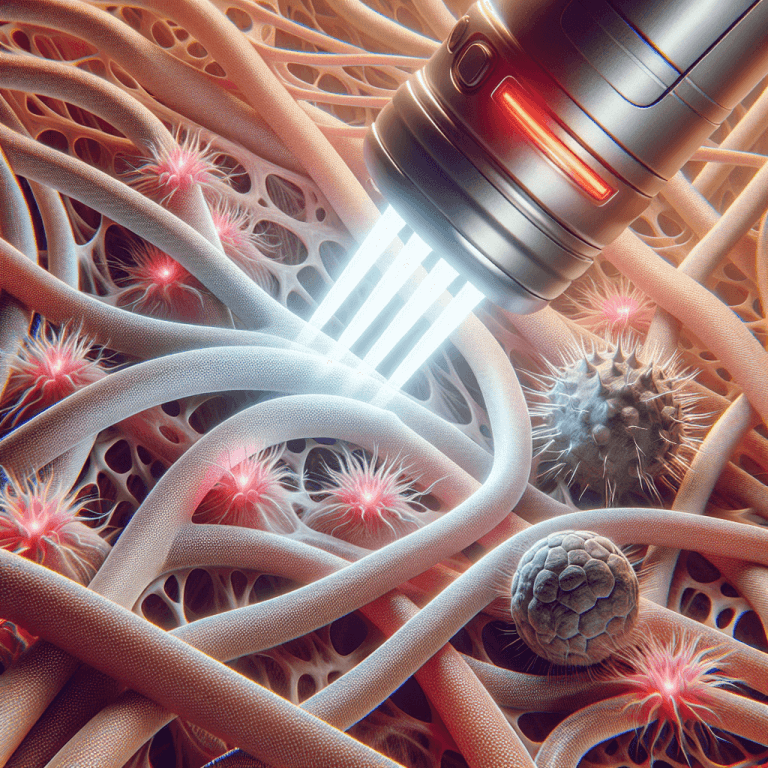
Many people underestimate the importance of proper aftercare following laser hair removal. It plays a crucial role in ensuring optimal recovery and the best results from the treatment. This article will discuss immediate actions to take after treatment, a proper skin care routine, and how to protect your skin from sun exposure. By following these guidelines, readers can effectively minimize any potential discomfort and enhance skin rejuvenation, making their journey to smooth skin more successful. Understanding these crucial aspects can alleviate concerns about managing wounds and applying creams and light therapy effectively.
Key Takeaways
- Proper aftercare is essential to enhance healing and minimize risks after laser hair removal
- Moisturizing the treated area helps prevent complications like hyperpigmentation and irritation
- Avoiding heat sources post-treatment supports effective recovery and reduces swelling or discomfort
- Gentle cleansing and avoiding irritants are crucial for skin health during the healing process
- Communicating skin changes with your specialist optimizes treatment effectiveness for future sessions
Understanding the Importance of Laser Hair Removal Aftercare

Aftercare following laser hair removal is crucial for enhancing treatment efficacy and minimizing risks. Proper attention to aftercare not only ensures effective healing but also reduces the likelihood of complications such as skin rashes and pigment changes. The following sections will delve into practical aftercare guidelines, including the role of moisture maintenance and appropriate cleansing with soap for optimal recovery.
Impact of Aftercare on Treatment Efficacy
Effective aftercare significantly enhances the results of laser hair removal, particularly for individuals with dark skin, as it helps prevent complications like hyperpigmentation and irritation. Keeping the treated area moisturized with products such as Aquaphor can help maintain the necessary fluid balance, promoting healing while reducing the risk of acne breakout. This proactive approach not only optimizes recovery but also ensures that the skin regains its smooth texture and radiance in a timely manner.
Common Complications From Neglected Aftercare
Neglecting aftercare following laser hair removal can lead to several complications that significantly impact skin health. Issues such as bleeding, irritation, and increased sensitivity may arise if the treated area is not properly cared for. Additionally, improper maintenance can exacerbate skin problems, making individuals more susceptible to conditions like skin cancer or complications from other treatments, such as chemical peels that include harsher acids. By understanding these risks, individuals can be motivated to adhere to recommended aftercare practices, ensuring a smoother recovery process.
| Potential Complications | Symptoms | Prevention Tips |
|---|---|---|
| Bleeding | Minor bleeding or discoloration | Avoid sun exposure and apply soothing creams |
| Irritation | Redness and swelling | Keep the area moisturized |
| Skin Sensitivity | Increased sensitivity post-treatment | Use gentle cleansers and avoid harsh chemicals |
| Infection Risk | Signs of infection, such as pus | Follow proper hygiene and avoid touching the treated area |
The right aftercare can make all the difference in your laser hair removal journey. Next, discover the immediate steps that will ensure your skin stays smooth and healthy.
Immediate Actions to Take Following Treatment

Immediate Actions to Take Following Treatment
Applying soothing treatments to the skin after laser hair removal is essential for reducing discomfort and promoting healing. Choices in clothing also play a significant role; selecting fabrics that minimize irritation can significantly enhance recovery. Additionally, avoiding heat sources, which can increase blood flow and perspiration, helps prevent complications such as redness and swelling, ensuring optimal recovery.
Applying Soothing Treatments to the Skin
Applying soothing treatments to the skin following laser hair removal is vital for promoting optimal recovery and reducing the risk of complications, such as infection. Options like soothing aloe vera gel or a vinegar solution can help calm the skin, supporting the immune system in the healing process. Proper dressing of the treated area also plays a crucial role; using breathable fabrics can prevent irritation while decreasing the likelihood of disease caused by bacteria entering the skin.
Clothing Choices to Minimize Irritation
Choosing the right clothing after laser treatment is vital for minimizing irritation and promoting healing. Patients should opt for loose-fitting, breathable fabrics such as cotton, which can help avoid unnecessary friction and the urge to itch on sensitive skin following the procedure. Avoiding tight or restrictive clothing reduces the risk of injury and supports the healing process, as tight garments can trap heat and sweat against the skin, potentially exacerbating discomfort.
| Clothing Choices | Benefits | Why It Matters |
|---|---|---|
| Loose Clothing | Reduces friction | Helps prevent irritation and promotes comfort |
| Cotton Fabrics | Breathable and soft | Minimizes sweating and reduces itchiness |
| Avoid Tight Clothing | Prevents injury | Supports effective post-treatment recovery |
Avoiding Heat Sources on Treated Areas
Patients must avoid exposing treated areas to heat sources after laser hair removal, as this can lead to increased inflammation and hinder effective wound healing. Excess heat from activities such as hot showers, saunas, or strenuous exercise can exacerbate swelling and discomfort, disrupting the skin’s recovery process. Instead, patients should opt for cool showers and gentle, soothing environments to foster a safe healing experience and minimize the risk of complications following their treatment.
After the treatment, the skin needs care. A proper routine will help maintain smoothness and comfort in the days that follow.
Proper Skin Care Routine Post-Laser Hair Removal

A proper skin care routine following laser hair removal is essential for achieving optimal recovery and minimizing downtime. This section addresses gentle cleansing techniques suitable for sensitive skin, recommended moisturizers that aid in healing, and key ingredients to avoid in skin products to prevent irritation or complications. Understanding these aspects allows individuals to maintain healthy skin and effectively support the healing process.
Gentle Cleansing Techniques for Sensitive Skin
Gentle cleansing techniques are crucial for maintaining skin health after laser hair removal, particularly in the treatment area. Using a mild, fragrance-free cleanser minimizes the risk of irritation and helps prevent issues like erythema and hypopigmentation. Individuals should pay close attention to keep bacteria at bay, ensuring the skin remains clean and supported during the healing process, which ultimately promotes a smoother recovery and retains skin integrity.
Recommended Moisturizers for Healing Skin
Using the right moisturizers is essential for healing skin after laser hair removal. It is advisable to choose products that are fragrance-free and formulated with gentle, hydrating ingredients to alleviate any discomfort or pain. Look for moisturizers containing antibiotic properties to help prevent infections and to minimize the likelihood of adverse reactions while maintaining skin hydration during the recovery process.
- Select fragrance-free moisturizers
- Opt for products with gentle, hydrating ingredients
- Consider moisturizers with antibiotic properties
Ingredients to Avoid in Skin Products
After undergoing laser hair removal, it is crucial to be aware of specific ingredients to avoid in skin products that could hinder recovery. Products containing alcohol can cause excessive dryness and aggravate sensitive skin, while fragrances may trigger irritation or allergic reactions, particularly in areas like the chin. Additionally, individuals should steer clear of harsh chemical exfoliants or those containing carbon dioxide, as these can disrupt the skin’s healing process and lead to complications such as heightened sensitivity.
- Avoid alcohol-based products to prevent dryness.
- Stay clear of fragrances to reduce irritation risks.
- Refrain from using harsh chemical exfoliants containing carbon dioxide.
Skin that has been treated needs gentle care. With that in mind, protecting it from the sun is crucial for lasting results.
Protecting Your Skin From Sun Exposure

Protecting the skin from sun exposure after laser hair removal is a vital component of the healing process. This section will cover the importance of using sunscreen post-treatment, guidelines for selecting the right sunscreen suitable for sensitive skin, and strategies for timing outdoor activities to minimize sun risks. By following these practices, individuals can ensure effective recovery while maintaining skin health and enhancing the benefits of their laser hair treatment.
Importance of Sunscreen After Treatment
Following laser hair removal, the importance of sunscreen cannot be overstated. Applying a broad-spectrum sunscreen helps protect sensitive skin from harmful UV rays, reducing the risk of developing lesions or hyperpigmentation that can occur post-treatment. For those who may also consider procedures like tattoo removal, safeguarding the skin with an SPF ensures that any healing process remains uninterrupted, maintaining skin integrity and accessibility for future treatments.
Selecting the Right Sunscreen for Treated Skin
Selecting the right sunscreen for treated skin after laser hair removal is essential to prevent complications such as swelling or blistering. Individuals should choose a broad-spectrum sunscreen with an SPF of 30 or higher, ensuring it contains soothing ingredients that provide analgesic properties to help alleviate discomfort. Products formulated for sensitive tissue can reduce the likelihood of irritation while protecting the healing skin from harmful UV rays.
- Select broad-spectrum sunscreen with SPF 30 or higher
- Look for soothing ingredients with analgesic properties
- Choose products formulated for sensitive skin tissues
Timing Outdoor Activities to Reduce Sun Risk
After laser hair removal, timing outdoor activities is critical to preventing complications such as irritation and hyperpigmentation. Patients should aim to minimize sun exposure, especially during peak hours (10 a.m. to 4 p.m.), to protect sensitive skin from harmful UV rays that can result in lasting scars. It’s advisable for individuals undergoing various hair removal methods to incorporate vitamin-rich products into their skincare routine, which can support healing and enhance skin recovery.
| Outdoor Activity Timing | Recommended Time | Benefits |
|---|---|---|
| Peak Sun Hours | 10 a.m. – 4 p.m. | Minimizes risk of irritation and hyperpigmentation |
| Early Morning | 6 a.m. – 9 a.m. | Lower UV exposure, better for sensitive skin |
| Late Afternoon | 4 p.m. – 6 p.m. | Cooler temperatures, reduced sun intensity |
Even the strongest skin needs care after a fight with the sun. Understanding what to avoid during recovery is just as crucial for healing and health.
Activities and Products to Avoid During Recovery

Activities and Products to Avoid During Recovery
Following laser hair removal, individuals should avoid certain activities and products to promote optimal recovery and maintain a healthy complexion. Steering clear of tanning beds and sunbathing is crucial to prevent skin irritation and hyperpigmentation. Delaying intense workouts helps minimize inflammation, while postponing exfoliants and scrubs allows the skin to heal effectively, safeguarding against complications related to photorejuvenation and wrinkles.
Steering Clear of Tanning Beds and Sunbathing
Steering clear of tanning beds and sunbathing is essential for individuals recovering from laser hair removal. Exposure to UV rays can increase the risk of sunburn, which not only interferes with the healing of the hair follicle but also heightens the chances of skin irritation and hyperpigmentation. To optimize recovery and maintain skin integrity, it is advisable to avoid tanning activities and protect the treated areas from direct sunlight until fully healed:
- Avoid tanning beds to prevent skin damage.
- Stay out of the sun to reduce the risk of sunburn.
- Use protective clothing or sunscreen to safeguard treated areas.
Delaying Intense Workouts and Physical Exertion
Delaying intense workouts and physical exertion after laser hair removal is vital for optimal recovery. Engaging in strenuous activities can lead to increased sweating and friction in treated areas, which may result in burns or discomfort. By allowing the skin to heal properly without additional strain, individuals can focus on effective pain management using soothing lotions and petroleum jelly to support skin integrity during the recovery process.
| Activity | Impact on Recovery | Recommended Alternatives |
|---|---|---|
| Intense Workouts | Increases sweat and friction, risk of burns | Gentle stretching or walking |
| Heavy Lifting | Pressure and irritation on treated areas | Light household tasks |
| High-Intensity Cardio | Causes overheating and swelling | Low-impact activities like yoga |
Postponing the Use of Exfoliants and Scrubs
Postponing the use of exfoliants and scrubs is essential following laser hair removal to support the healing process. Abrasive products can irritate the sensitive skin, leading to complications such as redness or allergic reactions, particularly around delicate areas like the eyelids. For those searching for “laser hair removal near me,” following this guideline ensures a smoother recovery experience, minimizes the risk of adverse reactions, and ultimately protects the skin’s integrity during the initial healing period.
Recovery is a crucial time, but the journey doesn’t end there. Preparing for your next laser hair removal session can make a significant difference in achieving great results.
Preparing for Subsequent Laser Hair Removal Sessions

Preparing for subsequent laser hair removal sessions involves careful scheduling to optimize treatment effectiveness. Individuals should maintain skin health between visits by implementing proper aftercare practices. Additionally, communicating any changes or concerns to the specialist before the next appointment ensures personalized care. This section covers ideal scheduling between treatments, ways to keep skin healthy, and essential discussions prior to the next session.
Ideal Scheduling Between Treatments
Scheduling subsequent laser hair removal sessions appropriately is essential for achieving optimal results. Typically, treatments are spaced four to six weeks apart, allowing the body to shed treated hairs while ensuring that hair follicles remain active for effective targeting. Adhering to this timeline not only maximizes treatment efficacy but also accommodates the skin’s healing process, reducing the risk of complications during recovery:
- Maintain an interval of four to six weeks between sessions.
- Monitor skin condition before scheduling the next appointment.
- Communicate any concerns or changes with your specialist.
Maintaining Skin Health for Future Sessions
Maintaining skin health between laser hair removal sessions is crucial for achieving optimal results. Individuals should focus on hydration and nourishment, employing gentle skincare products that support the healing process. Additionally, regular moisturizing and avoiding irritants, such as harsh chemicals or exfoliants, can foster a healthy environment for further treatments.
- Hydrate skin daily to enhance healing.
- Use gentle, nourishing skincare products.
- Avoid irritants like harsh chemicals and exfoliants.
What to Communicate to Your Specialist Before the Next Visit
Before the next laser hair removal session, it is essential for individuals to communicate any changes in their skin condition, such as irritation, redness, or reactions to products used during the recovery period. This information allows the specialist to adjust the treatment plan accordingly, ensuring that it remains effective and safe. Additionally, discussing any concerns about previous sessions or specific desired outcomes can help tailor future treatments to meet individual needs, fostering a better overall experience and improving results.
Conclusion
Effective aftercare following laser hair removal is essential for promoting optimal recovery and minimizing complications. Individuals should prioritize proper cleansing, moisturizing, and protection from sun exposure to enhance healing and maintain skin integrity. Avoiding certain activities and products will further support recovery and prevent irritation. Adhering to these key guidelines ensures that patients achieve the best results from their laser hair removal treatments, ultimately leading to healthier, smoother skin.