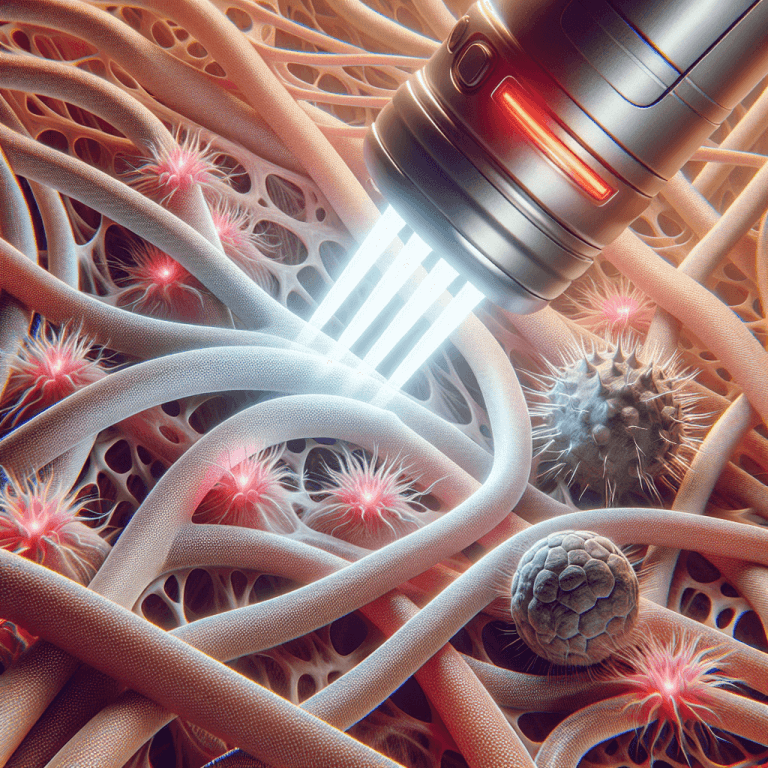
Laser hair removal is a popular method for managing hirsutism, but many people experience skin irritation afterward. Understanding how to soothe skin and avoid discomfort is essential for a positive experience. This article will outline immediate steps to calm irritation, effective home remedies using an ice pack, and tips for long-term skin care. By following these guidelines, readers can minimize the risk of ingrown hair and enhance the overall effectiveness of their laser hair removal sessions. Engaging with this content empowers individuals to better care for their skin and navigate the aftercare process confidently.
Key Takeaways
- Temporary redness and swelling are common after laser hair removal and typically subside within days
- Cool compresses can effectively reduce irritation and promote healing post-treatment
- Proper skin preparation, including shaving before the session, helps minimize discomfort
- Using soothing gels and avoiding sun exposure protects sensitive skin after the procedure
- Regular sunscreen application and gentle cleansing support long-term skin health following treatment
Understanding Skin Reactions After Laser Hair Removal

After laser hair removal, common skin reactions include temporary redness, swelling, and tenderness. Skin irritation arises from inflammation and can be exacerbated by friction from clothing. Typically, these symptoms subside within a few hours to a couple of days. Understanding these reactions helps individuals know when to use soothing gels or hydrocortisone treatments to alleviate discomfort effectively.
Common Side Effects and Symptoms
After undergoing laser hair removal, individuals may experience several common side effects, which include redness, swelling, and tenderness in the treated areas. Some may notice a temporary darkening or lightening of the skin, leading to concerns about hyperpigmentation or changes in pigment. It’s essential to apply a gentle lotion to soothe the skin and reduce inflammation, as avoiding excessive friction can help prevent irritation or potential infection of any mild wounds caused by the treatment.
Why Skin Irritation Occurs Post-Treatment
Skin irritation after laser hair removal occurs primarily due to the process’s effect on the skin’s surface, leading to erythema or redness as the body reacts to the treatment. Individuals may also experience swelling and tenderness as a result of localized inflammation. Factors such as skin allergies or pre-existing conditions, like those affecting the beard area, can amplify these reactions, increasing the likelihood of developing scars or prolonged irritation if proper care techniques are not adhered to immediately following the procedure. Understanding these aspects empowers individuals to take preventive measures and apply soothing treatments effectively, reducing discomfort and promoting skin recovery.
Duration of Typical Skin Reactions
The duration of typical skin reactions after laser hair removal can range from a few hours to several days, depending on individual skin sensitivity and the treated area. Redness and swelling usually peak within the first few hours and should gradually diminish as the skin heals. To expedite recovery, applying soothing medication like hydrocortisone may help reduce inflammation, while avoiding direct sunlight can prevent pigmentation changes, especially around sensitive areas such as the lip. Proper hygiene is crucial as well, as it minimizes the risk of bacteria that can exacerbate irritation during this healing phase.
Skin can react in unexpected ways after laser hair removal. Knowing how to care for it right away can make all the difference.
Immediate Steps to Soothe Your Skin

Applying cool compresses effectively can provide immediate relief from discomfort and reduce swelling after laser hair removal. Utilizing doctor-recommended soothing gels, which may contain analgesic properties, also aids in healing. It’s essential to avoid heat and sun exposure, as these can aggravate skin reactions, including contact dermatitis. Finally, employing gentle cleansing techniques for treated areas helps maintain moisture and protects against irritation.
Applying Cool Compresses Effectively
Applying cool compresses effectively is a practical method to alleviate discomfort and minimize irritation after laser hair removal. By gently placing a cool, damp cloth on the treated areas, the sensation of itching or burning can significantly reduce, ensuring a more comfortable healing process. It is advisable to wrap ice packs in a soft cloth to avoid direct contact with the skin, which can cause further irritation or worsen any existing skin conditions.
| Action | Purpose | How To |
|---|---|---|
| Apply Cool Compress | Reduce irritation and swelling | Place a damp cloth or ice pack wrapped in a towel on the treated area for 10-15 minutes. |
| Avoid Direct Contact | Prevent skin damage | Wrap ice packs in a soft cloth to protect the skin. |
| Frequency of Application | Maintain comfort | Reapply every few hours as needed for relief. |
Using Doctor-Recommended Soothing Gels
Using doctor-recommended soothing gels is crucial for minimizing skin irritation after laser hair removal. These gels often contain ingredients designed to alleviate discomfort and reduce the risk of blisters, particularly for individuals with a chronic condition that may affect their skin’s resilience. When selecting a soothing gel, one should verify if it includes any antibiotic properties to help prevent potential infections that could arise from minor skin disturbances.
Avoiding Heat and Sun Exposure
After laser hair removal, avoiding heat and sun exposure is crucial in minimizing skin irritation and preventing adverse side effects. Direct sunlight can lead to pigmentation changes and increase the risk of skin cancer, especially in treated areas. Therefore, it is advisable for individuals to refrain from applying cosmetics on the treated skin and to follow their physician‘s guidance on suitable therapy options and sunscreen recommendations to ensure effective healing and protection.
- Avoid direct sunlight and heat to prevent irritation.
- Use a broad-spectrum sunscreen as advised by your physician.
- Refrain from cosmetics on affected areas until fully healed.
Gentle Cleansing Techniques for Treated Areas
Gentle cleansing techniques are essential after laser hair removal to avoid irritation and further skin burn. It is advisable to use a mild, fragrance-free cleanser to wash the treated areas, as this reduces the risk of adverse reactions. Additionally, individuals should avoid scrubbing the skin or using harsh products, such as those designed for plucking or exfoliation, as these can exacerbate signs and symptoms of sensitivity following the procedure.
- Use a mild, fragrance-free cleanser for cleansing.
- Avoid scrubbing the treated areas.
- Refrain from harsh products like exfoliants and those designed for plucking.
Your skin deserves care beyond the immediate relief. Understanding how to prevent irritation will make your next session much more comfortable.
Preventing Irritation Before Your Next Session

Proper skin preparation before a laser hair removal session can significantly reduce irritation. Shaving the hair follicle instead of waxing ensures that the skin remains intact and less sensitive. Additionally, maintaining hydration strategies is essential for healthy skin, especially when exposed to ultraviolet rays. This section will explore these preparation tips to help mitigate discomfort and promote optimal results.
Proper Skin Preparation Tips
To minimize the risk of irritation and rash following Brazilian laser hair removal, individuals should prepare their skin carefully before the session. This preparation includes avoiding waxing for at least four weeks prior, as keeping the hair follicle intact allows the laser to target the hair more effectively. Additionally, it is advisable to refrain from applying deodorant on the treatment day, as ingredients in these products may cause irritation on sensitive skin post-surgery. Hydration of the skin is also essential to enhance resilience and comfort throughout the process.
Importance of Shaving, Not Waxing
Shaving rather than waxing is essential for individuals preparing for laser hair removal, particularly for sensitive areas like pubic hair. Waxing can strip away the skin’s protective layer, leading to increased irritation and discomfort post-treatment. By shaving, patients ensure that the hair follicles remain intact and accessible for the laser, minimizing the risk of complications, such as sunburn or adverse reactions, especially in those with specific medical histories that may predispose them to skin issues.
Hydration Strategies for Healthy Skin
Proper hydration strategies are essential for maintaining healthy skin, particularly for individuals with light skin receiving laser hair removal. It is crucial to drink ample water before the treatment to support skin resilience and reduce the risk of pain or irritation. Additionally, incorporating hydrating lotions that contain soothing ingredients can enhance moisture retention, helping to combat the potential adverse effects of laser hair removal, especially for those with a history of skin disease who may require extra attention to their skincare needs.
Even with careful preparation, discomfort can still arise. Here are some home remedies that can help ease that ache and bring you relief.
Home Remedies to Alleviate Discomfort

Aloe vera and natural oils can effectively soothe the skin after laser hair removal, providing anti-inflammatory benefits. Additionally, incorporating anti-inflammatory foods and supplements into one’s diet may help minimize irritation. Establishing a soothing skincare routine can further enhance recovery by addressing concerns such as acne and histamine responses after procedures that remove facial hair using a razor.
Benefits of Aloe Vera and Natural Oils
Aloe vera and natural oils offer numerous benefits for soothing the skin after laser hair removal, especially for individuals with dark skin, who may be more susceptible to irritation and injury. Aloe vera’s anti-inflammatory properties aid in reducing redness and discomfort, while natural oils such as jojoba or coconut can act as effective moisturizers and cleansers, promoting skin healing and resilience. Incorporating these remedies not only addresses potential hair loss issues but also enhances recovery, making the post-treatment experience more comfortable and effective for individuals seeking “laser hair removal near me.”
Anti-Inflammatory Foods and Supplements
Incorporating anti-inflammatory foods and supplements into one’s diet can significantly aid in soothing skin after laser hair removal. Foods rich in omega-3 fatty acids, such as salmon and walnuts, help to reduce inflammation and support skin health. Additionally, supplements like curcumin and ginger are known for their anti-inflammatory properties, which can further alleviate discomfort and promote healing during the recovery process.
Creating a Soothing Skincare Routine
Creating a soothing skincare routine after laser hair removal is essential for reducing irritation and promoting healing. Individuals should focus on using gentle, hydrating products that are free from fragrances and harsh chemicals to support skin recovery. Incorporating items such as calming serums with ingredients like chamomile or calendula can significantly enhance comfort and diminish redness, ensuring a more pleasant post-treatment experience.
Some discomfort may fade with simple remedies. Yet, there are times when the wisdom of a professional is needed to guide the way.
Recognizing When to Seek Professional Advice

Identifying signs of severe reactions after laser hair removal is crucial for ensuring skin health. Individuals should communicate any concerning symptoms with their laser technician proactively. Additionally, understanding when to seek medical treatments for adverse effects can prevent long-term complications. Each of these aspects contributes to effective post-treatment care and promotes optimal healing.
Identifying Signs of Severe Reactions
Identifying signs of severe reactions after laser hair removal is essential for ensuring proper skin care. Individuals should be aware of symptoms such as persistent redness, increased swelling, or the presence of blisters and sores, which may indicate complications. If these symptoms do not resolve within a few days or worsen, it is critical to contact a medical professional for evaluation and guidance.
| Severe Reaction | Possible Significance | Action to Take |
|---|---|---|
| Persistent Redness | Indicates possible infection or prolonged inflammation | Contact a dermatologist for assessment |
| Increased Swelling | Could signal an allergic reaction or irritation | Seek medical attention if accompanied by pain |
| Blisters or Sores | May suggest a severe reaction to the treatment | Consult a healthcare provider immediately |
Communicating With Your Laser Technician
Effective communication with your laser technician is crucial for addressing any concerns that may arise after laser hair removal. By openly discussing any unusual symptoms, such as prolonged redness or swelling, individuals can receive tailored advice and reassurance regarding their post-treatment care. Taking the initiative to provide thorough feedback helps ensure the technician can recommend the most appropriate soothing strategies or products, thereby enhancing the comfort and recovery process for the client.
Medical Treatments for Adverse Effects
When experiencing adverse effects after laser hair removal, medical treatments may be necessary to alleviate uncomfortable symptoms. Dermatologists can prescribe topical steroids to reduce inflammation, while antibiotic ointments may be recommended for any signs of infection. For more severe reactions, professional assessment is crucial to identify appropriate interventions such as prescription medications or advanced therapies that target specific skin concerns.
| Adverse Effect | Recommended Medical Treatment | Action to Take |
|---|---|---|
| Persistent Redness | Topical Steroids | Consult a dermatologist for prescription strength |
| Signs of Infection | Antibiotic Ointments | Contact a healthcare provider for assessment and treatment |
| Severe Skin Reactions | Prescription Medications | Seek immediate professional evaluation |
Once the decision is made and the treatment begins, the focus shifts to what comes next. Proper long-term care will ensure lasting results and skin that feels as good as it looks.
Long-Term Skin Care After Laser Hair Removal

Regular sunscreen use is crucial for protecting the skin after laser hair removal, as it helps prevent pigmentation changes. Additionally, exfoliation best practices support skin renewal while maintaining optimal hydration is essential for recovery. Selecting the right skincare products further enhances this regimen, ensuring skin remains healthy and resilient. Each of these aspects plays a vital role in long-term skin care following treatment.
Importance of Regular Sunscreen Use
Regular sunscreen use is essential for anyone who has undergone laser hair removal. The skin can be particularly sensitive and prone to pigmentation changes post-treatment, making it vital to protect the treated areas from UV exposure. By applying broad-spectrum sunscreen daily, individuals can significantly reduce the risk of skin irritation, discoloration, and potential damage, ensuring optimal healing and maintaining skin health.
- Protects sensitive skin from UV exposure.
- Reduces the risk of pigmentation changes.
- Supports optimal healing post-treatment.
Exfoliation Best Practices
Exfoliation is an essential part of long-term skin care after laser hair removal, as it helps to remove dead skin cells and promote healthy skin renewal. It is advisable to wait at least a week after the treatment before starting any exfoliation to avoid irritation. Individuals should opt for gentle exfoliants, such as mild chemical peels or soft scrubs, to minimize any potential trauma to the skin while ensuring effective exfoliation that supports recovery and prevents issues like ingrown hairs.
Maintaining Optimal Skin Hydration
Maintaining optimal skin hydration is essential after laser hair removal to prevent discomfort and promote healing. Individuals should use moisturizers that are specifically formulated for sensitive skin, as these products help retain moisture and soothe irritation. Incorporating hydrating ingredients like hyaluronic acid or glycerin can enhance skin resilience and provide lasting hydration, minimizing the risk of dryness and other related complications.
| Hydration Strategy | Purpose | Recommended Products |
|---|---|---|
| Use Fragrance-Free Moisturizers | To soothe and hydrate sensitive skin | Look for products with calming ingredients like aloe vera or chamomile. |
| Incorporate Hydrating Serums | To lock in moisture and enhance skin resilience | Choose serums with hyaluronic acid for optimal hydration. |
| Apply Daily | To maintain consistent hydration | Reapply moisturizers at least twice daily, especially after cleansing. |
Choosing the Right Skincare Products
Choosing the right skincare products after laser hair removal is crucial for soothing the skin and preventing irritation. Individuals should opt for gentle, fragrance-free formulations specifically designed for sensitive skin, as these products minimize the risk of adverse reactions. Incorporating ingredients such as aloe vera, chamomile, or hyaluronic acid can enhance hydration and promote healing, making the post-treatment experience more comfortable and effective.
Conclusion
Post-laser hair removal care is crucial for minimizing discomfort and promoting effective healing. Immediate actions, such as applying cool compresses and using doctor-recommended soothing gels, help alleviate irritation and prevent complications. Long-term strategies, including regular sunscreen use and maintaining skin hydration, further protect the treated areas and enhance recovery. By understanding and implementing these practices, individuals can ensure a more comfortable experience and optimize the results of their laser hair removal treatment.