Choosing the right laser hair removal technology can be challenging, especially when considering factors like hair type and skin tone. Did you know that not all lasers are effective for every hair type? This comprehensive guide will delve into the best lasers for dark skin, help identify the best hair type for laser removal, and provide tips for selecting a reputable provider. By understanding these aspects, readers can better navigate their choices and minimize irritation, ensuring a smoother laser hair removal experience.
Key Takeaways
- Laser hair removal targets hair follicles using concentrated light for effective hair reduction
- Different laser technologies suit varying skin tones and hair types for optimal results
- Personalized treatment plans are crucial to minimize risks and enhance treatment effectiveness
- Clients should choose licensed practitioners to ensure safe and effective laser hair removal procedures
- Long-term skin health can be maintained through proper aftercare and regular professional check-ups
Understanding Laser Hair Removal Technologies

Laser hair removal technology has revolutionized hair reduction methods, offering a scientific approach that surpasses traditional techniques. This section will discuss the effectiveness of laser treatments for various areas, including brazilian laser hair removal and sensitive regions such as the eyelid. Additionally, it will clarify common misconceptions and highlight the treatment’s advantages for addressing conditions like hirsutism, ensuring readers gain a comprehensive understanding.
The Science Behind Laser Hair Removal
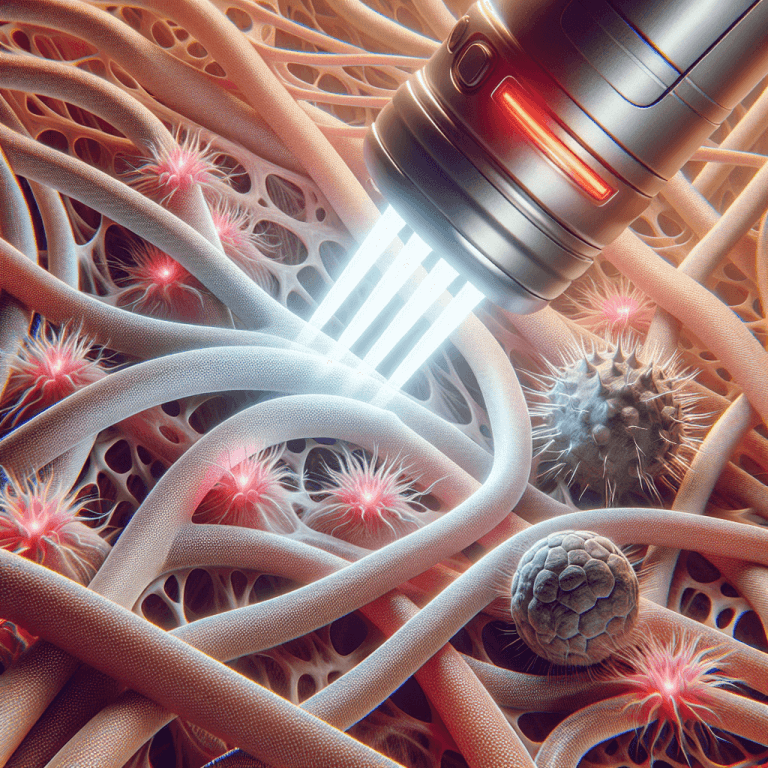
The science behind laser hair removal involves using a concentrated beam of light targeted at the hair follicles, which absorbs light energy based on the natural pigmentation of the hair. The treatment is especially effective for individuals with darker hair and lighter skin tones, as the contrast enhances the absorption of laser energy. The procedure also addresses specific skin conditions, such as pseudofolliculitis barbae, providing beauty benefits while minimizing irritation to the epidermis.
Benefits Over Traditional Hair Removal Methods
Laser hair removal offers several advantages over traditional methods such as shaving, waxing, and tweezing. It provides a longer-lasting solution by targeting hair follicles with a concentrated light beam that disrupts hair growth at the root, significantly reducing hair regrowth over time. Furthermore, the use of advanced technologies like the YAG laser for dark skin allows for effective treatment across various skin types, ensuring that individuals with higher melanin pigment can safely benefit from the therapy, often under the supervision of a qualified physician. This professional oversight not only enhances safety but also tailors the treatment to the unique needs of each patient, addressing concerns such as skin irritation and sensitivity more effectively than conventional techniques.
Common Misconceptions Clarified
There are several common misconceptions surrounding laser hair removal that can lead to confusion for potential patients. One belief is that the intensity of the procedure can cause severe sunburn-like reactions; however, modern laser technologies, such as the ruby and pulse lasers, are designed to minimize discomfort while effectively targeting hair follicles. Additionally, some individuals think that all hair removal lasers work the same way, but understanding the specific capabilities and applications of different devices helps users select the most suitable removal laser hair option for their skin type and hair color.
Laser hair removal is not just a choice; it is a technique grounded in science. The next section reveals the different types of lasers used, each with its own strengths and uses.
Types of Lasers for Hair Removal: An in-Depth Analysis

This section will explore the various types of laser hair removal technologies available, including diode lasers, known for their versatility in hair removal; Alexandrite lasers, recognized for their speed and efficiency; and Nd:YAG lasers, which are particularly effective for dark skin tones. Additionally, the suitability of ruby lasers and their effectiveness will be assessed, alongside a comparison of IPL versus laser treatments, highlighting key differences. These insights will guide readers in selecting the most fitting technology for their hair removal needs.
Diode Lasers: Features and Best Uses
Diode lasers are a popular choice in laser hair removal due to their effectiveness and versatility for various skin types, particularly for patients with light skin. This type of machine emits a longer wavelength, allowing it to penetrate deeper into the skin and effectively target hair follicles with minimal discomfort. Additionally, diode lasers significantly reduce the risk of hyperpigmentation, which is a common concern for individuals with darker skin, ensuring a safer treatment experience with less pain during the procedure.
Alexandrite Lasers: Speed and Efficiency
Alexandrite lasers are renowned in the realm of laser hair removal for their speed and efficiency, making them an attractive option for many individuals seeking effective solutions. These lasers target melanin in the hair follicles, ensuring that patients experience quicker treatment sessions compared to other types of lasers for hair removal, such as diode or Nd:YAG lasers. With the ability to cover larger treatment areas, Alexandrite lasers significantly reduce the time required, enhancing the overall experience and making the process more appealing than traditional methods like plucking or shaving.
Nd:YAG Lasers: Applications for Various Skin Tones
Nd:YAG lasers are recognized as one of the best options for laser hair removal for dark skin tones due to their unique capability to target hair follicles without causing damage to the surrounding skin. These lasers emit energy at a longer wavelength, which provides effective penetration while minimizing the risk of hyperpigmentation. This technology is particularly beneficial for individuals seeking to remove hair from areas such as the chin, where traditional methods like shaving may lead to irritation or ingrown hairs.
- Effective for dark skin tones
- Targets hair follicles without damaging skin
- Minimizes risk of hyperpigmentation
- Ideal for sensitive areas like the chin
Ruby Lasers: Suitability and Effectiveness
Ruby lasers are considered the gold standard for laser hair removal, particularly effective in targeting fine hair and light skin tones. Their effectiveness can vary based on skin type, aligning with the Fitzpatrick scale where they excel on lighter skin classifications. However, individuals with olive skin tones may not achieve the same results, making it essential for patients to consult with a qualified professional who can recommend the most suitable laser hair removal option, potentially exploring alternatives like diode lasers for broader compatibility.
IPL vs. Laser: Key Differences Explained
When comparing IPL (Intense Pulsed Light) and laser hair removal, it is essential to recognize key differences that affect effectiveness and treatment outcomes. Lasers use specific wavelengths of light for targeted absorption by hair follicles, delivering precise energy that destroys the hair at the root; in contrast, IPL emits a broad spectrum of light, which can make it less effective for certain hair types, particularly facial hair. Furthermore, the U.S. Food and Drug Administration has approved various laser technologies for hair removal, highlighting their safety and efficacy, whereas IPL devices may not always have the same level of regulatory endorsement, potentially influencing patient decisions on the best method for their needs.
Understanding the types of lasers marks only the beginning. How these technologies fit different skin and hair types matters more than anything else.
Matching Laser Technology to Your Skin and Hair Type

Matching Laser Technology to Your Skin and Hair Type
Determining the appropriate laser hair removal technology requires careful consideration of individual skin tone and hair color. Optimal lasers exist for those with light skin and dark hair, while effective options are tailored for dark skin tones. Additionally, considerations for fine versus coarse hair and personalized treatment plans are crucial in minimizing risks of scar formation and erythema, particularly in sensitive areas such as the axilla.
Determining Your Skin Tone and Hair Color
Determining one’s skin tone and hair color is crucial when selecting a suitable laser hair removal technology, as it impacts the effectiveness of the treatment. Individuals with light skin and dark hair generally respond better to laser treatment because the contrast allows for optimal absorption of the laser light, leading to more significant hair loss. Conversely, those with darker skin tones may require specific types of lasers, such as Nd:YAG lasers, which are designed to minimize risks associated with skin damage while achieving desired results. Understanding these characteristics is essential for locating effective “laser hair removal near me” options.
| Skin Tone | Hair Color | Recommended Laser |
|---|---|---|
| Light | Dark | Alexandrite or Diode |
| Medium | Dark | Diode or Nd:YAG |
| Medium | Light | Diode or Ruby |
| Dark | Any | Nd:YAG |
Optimal Lasers for Light Skin and Dark Hair
For individuals with light skin and dark hair, the most effective laser hair removal options include Alexandrite and Diode lasers. These technologies are particularly suitable due to the high contrast between the pigmentation of the hair and the skin, which enhances the absorption of laser energy, leading to more effective hair reduction. Patients seeking smoother skin and optimal results will benefit significantly from treatments utilizing these laser types, as they target hair follicles with precision and minimal discomfort.
| Skin Tone | Hair Color | Recommended Laser |
|---|---|---|
| Light | Dark | Alexandrite or Diode |
Effective Options for Dark Skin Tones
For individuals with dark skin tones, Nd:YAG lasers are often the most effective option for laser hair removal. This technology is specifically designed to penetrate deeper into the skin without causing damage to the surrounding tissue, minimizing the risk of hyperpigmentation. Additionally, these lasers can successfully target hair follicles, making them a reliable choice for those seeking safe and effective hair reduction treatments.
Considerations for Fine or Coarse Hair
When considering laser hair removal, the thickness of hair—whether fine or coarse—plays a significant role in selecting the appropriate technology. Coarse hair typically responds well to most laser treatments due to its pigmentation, allowing for effective targeting by lasers such as Alexandrite or Diode. Conversely, fine hair may require specific settings or types of lasers, like the Nd:YAG, which can adjust for hair depth and ensure optimal results without compromising treatment efficiency. Understanding these differences is crucial for individuals seeking to maximize their laser hair removal outcomes and achieve smoother skin.
Personalized Treatment Plans
Personalized treatment plans are essential for achieving optimal results in laser hair removal, as they account for individual skin types and hair characteristics. By assessing specific factors such as hair thickness and skin tone, qualified professionals can tailor the laser technology and settings used during treatment. This individualized approach not only enhances effectiveness but also minimizes risks, ensuring that patients receive the safest and most efficient hair removal experience possible:
- Assessment of skin type and hair color
- Selection of appropriate laser technology
- Adjustments for hair thickness and sensitivity
- Ongoing evaluations to optimize results
Finding the right laser for your skin and hair is just the beginning. Next, it’s crucial to select a skilled provider who understands your needs and ensures safety.
Choosing a Reputable Laser Hair Removal Provider

Choosing a reputable laser hair removal provider is essential for a successful treatment experience. This involves assessing the qualifications and experience of the practitioner, evaluating the technology and equipment used, and reading reviews and client testimonials. Understanding pricing and package options, along with the importance of an initial consultation, ensures clients make informed decisions tailored to their specific needs.
Assessing Qualifications and Experience
When assessing qualifications and experience for selecting a laser hair removal provider, it is crucial to consider the practitioner’s credentials and training in dermatology or aesthetic medicine. Look for certifications from recognized organizations, as these demonstrate a commitment to safety and adherence to industry standards. Additionally, evaluating the provider’s experience with various laser technologies and their track record of successful treatments can offer reassurance. For instance, a provider specializing in multiple laser systems, such as Nd:YAG and Alexandrite, is better equipped to tailor treatments to different skin types and hair colors, ensuring optimal results:
| Criteria | Importance | What to Look For |
|---|---|---|
| Practitioner Credentials | Ensures safety and professionalism | Board certification in dermatology or aesthetic medicine |
| Experience with Technologies | Increases effectiveness of treatment | Specialization in various laser systems |
| Client Reviews | Reflects patient satisfaction | Positive testimonials and case studies |
Evaluating Technology and Equipment Used
Evaluating the technology and equipment used by a laser hair removal provider is essential for ensuring patient safety and achieving effective results. Prospective clients should look for providers that utilize FDA-approved laser systems, which indicate adherence to safety and efficacy standards. Additionally, understanding the specific types of lasers available, such as Alexandrite or Nd:YAG, can help patients select the most suitable option for their skin and hair type, as different technologies can yield varying levels of effectiveness based on individual characteristics:
- Check for FDA approval of laser systems.
- Inquire about the different types of lasers offered.
- Assess the provider’s familiarity with the technology.
Reading Reviews and Client Testimonials
Reading reviews and client testimonials is a crucial step in choosing a reputable laser hair removal provider. These firsthand accounts can provide insights into a clinic‘s professionalism, effectiveness of treatments, and overall patient satisfaction. By examining feedback from previous clients, individuals can gauge the reliability of the service and its alignment with their personal needs and expectations, ultimately leading to a more informed decision for their hair removal journey.
Understanding Pricing and Package Options
Understanding pricing and package options is a crucial step when selecting a reputable laser hair removal provider. Costs can vary widely based on the technology used, the size of the treatment area, and the number of sessions required for optimal results. Many clinics offer package deals that can reduce the overall price per session, which is beneficial for clients seeking long-term solutions for hair reduction. It is essential for individuals to inquire about what is included in these packages, such as consultations, aftercare treatments, and follow-up sessions, to ensure they receive comprehensive care throughout their hair removal journey.
Importance of an Initial Consultation
The importance of an initial consultation in laser hair removal cannot be overstated. This initial meeting offers clients an opportunity to discuss their specific hair removal goals, skin type, and any medical conditions that may affect treatment. During the consultation, practitioners can evaluate individual needs and determine the most suitable laser technology, ensuring that clients receive personalized care tailored to their unique circumstances.
Now that the right provider has been chosen, it’s time to turn attention to the preparation needed for the sessions ahead. This step is crucial, as proper planning can significantly enhance the results and ensure a smooth experience.
Preparing for Your Laser Hair Removal Sessions

Preparing for laser hair removal sessions involves understanding several critical aspects. Pre-treatment guidelines are essential for maximizing effectiveness and safety. Patients should know what to expect during the procedure, the importance of post-treatment care, and how to schedule and frequency of sessions. Tracking progress and results will further enhance the overall experience, ensuring patients achieve their desired outcomes.
Pre-Treatment Guidelines to Follow
Prior to undergoing laser hair removal sessions, adhering to specific pre-treatment guidelines is crucial for maximizing the effectiveness of the procedure and ensuring safety. Patients are advised to avoid sun exposure and tanning for at least two weeks before treatment, as this helps minimize the risk of skin irritation and improves laser efficacy. Additionally, refraining from waxing or plucking hair in the treatment area for several weeks prior allows for optimal hair follicle targeting during the laser procedure, enhancing overall results.
What to Expect During the Procedure
During a laser hair removal procedure, patients can expect a quick and straightforward experience, often lasting only a few minutes to an hour depending on the treatment area. The technician will first cleanse the skin and may apply a cooling gel to enhance comfort before using the laser. Most individuals report a mild sensation similar to a rubber band snap against the skin, as the laser targets hair follicles for effective hair reduction.
Post-Treatment Care Tips
After laser hair removal sessions, appropriate post-treatment care is essential for optimal results and skin recovery. Patients should avoid sun exposure and refrain from using tanning products for at least two weeks, as this helps to minimize irritation and promotes healing. Additionally, applying soothing moisturizers and following any specific recommendations provided by the practitioner will aid in reducing discomfort and enhancing the overall skin condition, ensuring a satisfactory outcome from the hair removal technology chosen.
Scheduling and Frequency of Sessions
Scheduling and frequency of laser hair removal sessions play a crucial role in achieving optimal results. Generally, patients are advised to schedule sessions every four to six weeks, as this timing aligns with the hair growth cycle when hair follicles are most receptive to treatment. Consistency in appointments not only maximizes efficacy but also aids in assessing progress, allowing adjustments to be made to treatment plans as necessary.
- Initial consultations to determine individual needs
- Recommended frequency of sessions for optimal results
- Importance of consistency in appointments
- Monitoring progress and making necessary adjustments
Tracking Progress and Results
Tracking progress and results is vital in laser hair removal to ensure effective treatment and satisfaction. Patients should document their hair reduction journey, noting changes and any side effects after each session to provide valuable feedback to their practitioner. Regular assessments can help adjust treatment plans as needed, enhancing the overall effectiveness of the chosen laser technology.
- Document changes and side effects after each session.
- Provide feedback to your practitioner for adjustments.
- Assess progress regularly to enhance treatment effectiveness.
The preparation is only part of the journey. The next steps focus on safety and managing any discomfort that may arise.
Safety Measures and Managing Side Effects

Recognizing potential risks associated with laser hair removal is vital for ensuring safe procedures. This section will cover how to manage minor side effects, when to seek professional advice, and the importance of long-term considerations for skin health. By understanding these fundamental aspects, individuals can enhance their laser hair removal experience and maintain optimal skin condition throughout the process.
Recognizing Potential Risks
Recognizing potential risks associated with laser hair removal is crucial for individuals considering this treatment. Common side effects include redness, swelling, and temporary changes in skin pigmentation, especially for patients with darker skin tones. By understanding these risks beforehand, clients can take preventative measures and discuss them with their practitioner to ensure a safer and more effective hair removal experience.
Here is a summary of potential risks and side effects of laser hair removal:
| Potential Risk | Description |
|---|---|
| Redness | Temporary redness on the treatment area, often subsiding within a few hours. |
| Swelling | Mild swelling may occur, typically resolving within a few days. |
| Skin Pigmentation Changes | Temporary lightening or darkening of the skin can happen, particularly in individuals with darker skin tones. |
| Blistering | In rare cases, blisters may develop, requiring proper care to heal. |
Ensuring Procedures Are Performed Safely
To ensure that laser hair removal procedures are performed safely, it is essential for clients to choose licensed practitioners who adhere to industry safety standards. Qualified professionals should conduct thorough assessments of each client’s skin type and hair characteristics before beginning treatment. Utilizing FDA-approved laser technologies and maintaining a sterile environment further minimizes risks and promotes successful outcomes, ultimately leading to a more effective laser hair removal experience.
Handling Minor Side Effects
Handling minor side effects from laser hair removal is an essential part of the aftercare process. For example, mild redness or swelling can often be alleviated with cool compresses and soothing topical treatments recommended by the practitioner. Patients should also stay hydrated and avoid direct sun exposure to promote healing while minimizing the risk of pigmentation changes during recovery.
| Minor Side Effect | Recommended Action |
|---|---|
| Redness | Apply cool compresses and follow practitioner-recommended topical treatments. |
| Swelling | Use over-the-counter anti-inflammatory medication if necessary. |
| Pigmentation Changes | Avoid sun exposure and use sunscreen as directed by the practitioner. |
When to Seek Professional Advice
Individuals considering laser hair removal should be aware of when to seek professional advice, particularly if they experience unexpected or severe side effects. Signs such as persistent redness, swelling that does not subside, or any strange changes in skin pigmentation may indicate complications that require immediate attention. Consulting a qualified practitioner not only ensures the safety of the treatment but also addresses any concerns promptly, promoting optimal skin health and overall satisfaction with the hair removal process.
Long-Term Considerations for Skin Health
Long-term skin health is an essential consideration for individuals undergoing laser hair removal. Maintaining proper skincare practices, such as moisturizing and applying sunscreen, can significantly reduce the risks of pigmentation changes and irritation post-treatment. Regular check-ups with a qualified professional also help monitor skin condition and ensure that any long-term effects from the laser hair removal process are effectively managed, contributing to overall skin health and the sustained success of hair removal results.
Conclusion
Choosing the right laser hair removal technology is crucial for achieving effective results tailored to individual skin types and hair characteristics. Different laser types, such as Alexandrite, Nd:YAG, and Diode, present unique benefits suited for various skin tones and hair colors, making informed selection vital. A thorough evaluation of providers, including their qualifications and the technology they use, ensures safety and optimal outcomes. By understanding these factors, individuals can confidently pursue laser hair removal, enhancing their experience and satisfaction with the process.