Many people struggle with unwanted hair, leading to frustration and irritation, especially when traditional methods like shaving or waxing don’t provide lasting results. This guide will cover essential information about preparing for laser hair removal, helping readers determine if it’s the right choice for them and outlining crucial steps to take before their treatment. By the end of this post, readers will have a clear understanding of how to avoid common issues such as ingrown hair and skin irritation, ensuring they feel confident and ready for their laser hair removal procedure.
Key Takeaways
- Laser hair removal offers permanent reduction in hair regrowth compared to traditional methods
- Choosing a reputable clinic is essential for safe and effective laser hair removal results
- Proper preparation and aftercare significantly influence the success of laser hair removal treatments
- Common myths about laser hair removal, such as causing burns, are largely unfounded
- Ideal candidates typically have light skin and darker hair for optimal treatment efficacy
Understanding Laser Hair Removal and Its Advantages

Laser technology effectively targets hair follicles for permanent hair reduction, making it a popular alternative to traditional methods such as waxing. This section will explore the advantages of laser hair reduction, including reduced hair regrowth and skin irritation. Additionally, it will address common myths surrounding procedures, including concerns about treating upper lip hair. Practical insights will emphasize why choosing a reputable clinic is essential for optimal results, especially when considering laser hair removal near me.
How Laser Technology Targets Hair Follicles
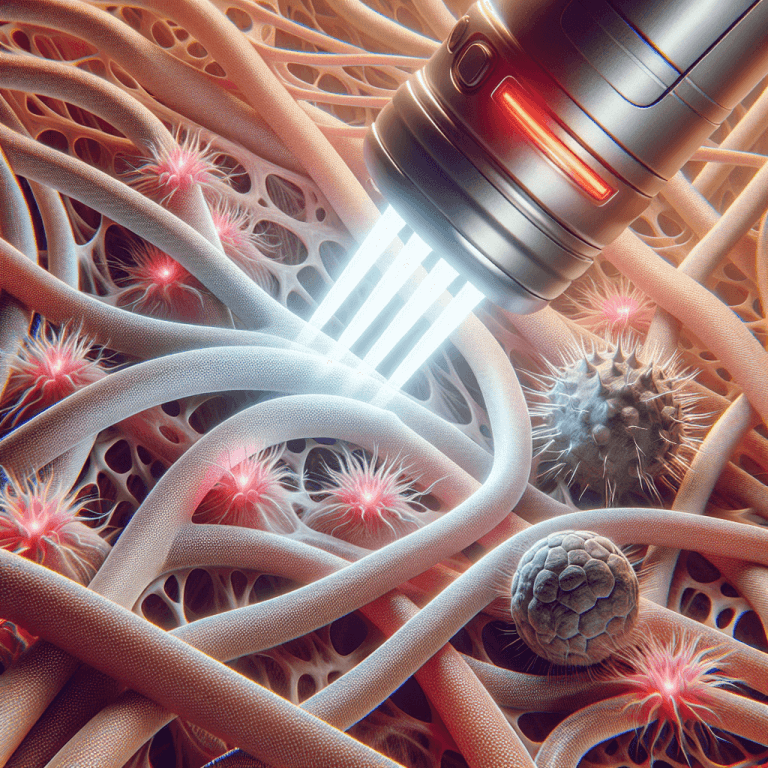
Laser technology effectively targets hair follicles by using concentrated beams of light, which are absorbed by the pigment in the hair. This process heats the follicle, inhibiting future hair growth while allowing surrounding skin to remain unharmed. Reputable clinics often perform these procedures under the guidance of a physician, ensuring that the skin is adequately prepped through rejuvenation and exfoliation techniques, which can enhance the overall results.
| Laser Technology Benefits | Explanation |
|---|---|
| Permanent Hair Reduction | Laser treatments significantly reduce hair regrowth over time. |
| Minimal Skin Irritation | Unlike traditional methods, laser hair removal causes less irritation to the surrounding skin. |
| Precision | Laser technology targets specific hair pigments without affecting nearby skin. |
| Quick Treatments | Sessions are often brief, making them easy to fit into a busy schedule. |
Benefits Compared to Traditional Hair Removal Methods
Choosing laser hair removal over traditional methods like shaving or waxing offers several advantages. One of the key benefits is the reduction in long-term hair regrowth, allowing individuals to enjoy smoother skin with less frequent treatments. Additionally, laser hair removal minimizes the risk of skin irritation, which is often caused by waxing or shaving, particularly for those with sensitive skin; this includes avoiding complications such as sunburn or infection that can arise from these methods. Proper preparation, including discussing medical history during the initial exam and avoiding certain lotions pre-treatment, can further enhance the efficacy and safety of the procedure:
- Reduced hair regrowth
- Less skin irritation
- Lower risk of complications
- Effective for various skin types
Debunking Common Myths About Laser Hair Removal
There are several common myths surrounding laser hair removal that can create unnecessary apprehension among potential patients. One prevalent misconception is that the procedure can cause burns; however, when performed by trained professionals with appropriate equipment, the risk of burns is minimal. Another myth is that laser hair removal leads to hyperpigmentation, especially in people with darker skin tones. In reality, modern laser technology is designed to safely treat a wide range of body hair and skin types, making the process both effective and safe for most individuals.
Understanding the benefits of laser hair removal is just the beginning. Now, it’s time to consider if this treatment suits your needs.
Evaluating if Laser Hair Removal Is Right for You

Determining if laser hair removal is suitable involves considering ideal skin types and hair colors for treatment. Light skin with darker hair tends to yield the best results due to the contrast in melanin absorption. Additionally, understanding medical conditions and contraindications is crucial to ensure safety. Professional consultation provides valuable insights into these factors, ensuring clients make informed decisions about their laser hair removal journey.
Ideal Skin Types and Hair Colors for Treatment
Ideal candidates for laser hair removal typically exhibit light skin paired with darker hair. This combination allows the energy from the laser to be effectively absorbed by the hair follicle, leading to optimal results. For individuals considering treatment on areas such as the chin, a thorough consultation with a qualified surgeon is essential to assess skin type and hair color, ensuring that the procedure is tailored to achieve the best possible outcome.
Medical Conditions and Contraindications to Consider
Before undergoing laser hair removal, individuals should consider any existing medical conditions that may affect treatment outcomes. Conditions such as acne can impact the effectiveness of laser treatments, and sensitive areas like the neck may require extra caution. Moreover, individuals with skin infections, or those taking certain medications that increase photosensitivity, should consult with a qualified professional to ensure that laser procedures are safe and appropriate for their specific circumstances.
- Assess existing medical conditions
- Consider skin sensitivities, including acne
- Evaluate medications that may impact treatment
- Consult with professionals for tailored advice
The Importance of Professional Consultation
Professional consultation is crucial when considering laser hair removal, as it helps individuals assess their unique skin types, hair colors, and any potential risks associated with the procedure. A qualified expert can provide tailored advice, particularly for those with dark skin or sensitive areas, ensuring that the treatment minimizes the risk of complications such as scarring or irritation, which may occur with methods like shaving with a razor or electrology. By discussing medical history and personal concerns during the consultation, clients can make informed decisions that align with their specific needs:
| Consultation Factors | Details |
|---|---|
| Skin Type Assessment | Determines suitability for laser hair removal based on melanin levels. |
| Hair Color Evaluation | Dark hair against lighter skin provides the best results. |
| Medical History Review | Identifies any existing conditions or medications that may pose risks. |
| Personalized Treatment Plan | Establishes a tailored approach to achieve optimal results safely. |
Deciding on laser hair removal is just the first step. Prepare yourself with the essential actions needed before your session to ensure the best results.
Essential Steps to Take Before Your Laser Hair Removal Session

Essential Steps to Take Before Your Laser Hair Removal Session
Successful laser hair removal requires careful preparation. Key steps include avoiding sun exposure and tanning beds, discontinuing waxing, plucking, and electrolysis, and properly shaving the treatment area. Additionally, reviewing medications and supplements with a healthcare provider is critical, as well as steering clear of certain skincare products to prevent complications like blisters. Each of these steps plays a vital role in ensuring safety and effectiveness.
Avoiding Sun Exposure and Tanning Beds
Avoiding sun exposure and tanning beds is a critical step in preparing for laser hair removal treatments. Sun damage can increase the risk of complications such as skin irritation and hyperpigmentation, which may negatively affect treatment outcomes. It is advisable for individuals to refrain from sunbathing or using tanning beds for at least four weeks prior to the procedure; this ensures that the skin remains in optimal condition and reduces the likelihood of adverse reactions during the treatment.
Discontinuing Waxing, Plucking, and Electrolysis
Discontinuing waxing, plucking, and electrolysis is crucial before undergoing laser hair removal. These methods remove hair from the follicle, which can interfere with the laser‘s ability to target the hair effectively. Professionals recommend halting these practices at least four to six weeks prior to treatment to ensure that the hair is present in the follicles, allowing the laser technology to achieve optimal results.
Shaving the Treatment Area Properly
Shaving the treatment area properly is a critical step in preparing for laser hair removal. This process helps ensure that the laser can effectively target the hair follicles without interference from longer hair, which can absorb the energy and reduce the procedure’s effectiveness. Professionals advise shaving the area 24 to 48 hours before the session to minimize skin irritation and promote a safer treatment experience.
Reviewing Medications and Supplements With Your Provider
Reviewing medications and supplements with a provider before undergoing laser hair removal is a crucial step in ensuring a safe and effective treatment experience. Certain medications can increase skin sensitivity or affect the success of the procedure, making it vital for individuals to disclose their full medical history, including over-the-counter products. Engaging in this conversation helps professionals provide personalized recommendations that can optimize the outcome of the laser hair removal session while minimizing the risk of complications.
Steering Clear of Certain Skincare Products
Steering clear of certain skincare products is essential when preparing for laser hair removal. Individuals should avoid products containing retinoids, glycolic acid, or other chemical exfoliants, as these can increase skin sensitivity and lead to adverse reactions during treatment. Consulting with a skincare professional about suitable alternatives ensures that the skin remains in optimal condition for effective laser procedures, ultimately enhancing safety and results.
Now that the critical steps are clear, it’s time to focus on what is unique to you. Creating a personalized pre-treatment checklist will ensure that every detail is accounted for in your journey.
Crafting Your Personalized Pre-Treatment Checklist

Crafting a personalized pre-treatment checklist for laser hair removal is a crucial step to ensure a smooth experience. This includes confirming appointment details and arrival time, selecting comfortable clothing, and preparing relevant questions for the technician. Additionally, staying hydrated and maintaining good nutrition will enhance skin health, while taking photos can help track progress throughout the treatment journey.
Confirming Appointment Details and Arrival Time
Confirming appointment details and arrival time is a vital step in preparing for laser hair removal. It is advisable to double-check the date, time, and location of the appointment to ensure a smooth experience. Arriving on time allows clients to participate in any necessary pre-treatment discussions, ensuring they are fully informed and ready for the procedure, ultimately enhancing the overall effectiveness of the session.
Selecting Appropriate Clothing for Comfort
Selecting appropriate clothing for comfort is vital when preparing for laser hair removal. Clients should choose loose-fitting and breathable fabrics that allow easy access to the treatment area, helping technicians perform the procedure seamlessly. Prioritizing comfort can also alleviate any potential anxiety, making the entire experience more pleasant and focused on achieving optimal results:
- Opt for loose-fitting garments for ease during the procedure.
- Select breathable fabrics to maintain comfort.
- Ensure easy access to the treatment area for the technician.
Preparing Questions to Ask Your Technician
Preparing questions to ask the technician during the consultation is a crucial step in the laser hair removal process. Clients should inquire about the specific laser technology used, potential side effects, and the technician’s qualifications to ensure a safe and effective experience. Understanding the treatment plan, including the number of sessions required and any aftercare protocols, empowers clients to make informed decisions and address any concerns they may have regarding their unique skin type and hair color.
Hydrating and Maintaining Good Nutrition
Hydration and nutrition play significant roles in preparing for laser hair removal. Staying well-hydrated helps maintain optimal skin health, which can enhance the effectiveness of the procedure and reduce the risk of irritation. Additionally, a balanced diet rich in vitamins and minerals supports skin healing and overall wellness, preparing the body for any potential side effects that may arise from the treatment. Clients are encouraged to focus on drinking plenty of water and consuming nutrient-dense foods in the days leading up to their session to ensure their skin is in the best condition for laser treatment.
Taking Photos to Track Your Progress
Taking photos before and after laser hair removal sessions serves as a valuable reference for clients to visualize their progress over time. By documenting skin conditions and hair regrowth, individuals can gain a clearer understanding of how effective their treatments are and track changes in hair density or skin tone. This visual record not only helps in maintaining motivation but also assists in discussing any concerns with practitioners, ensuring each client remains informed and engaged throughout their laser hair removal journey.
Now that the checklist is in hand, the focus shifts to the day of the procedure. Prepare yourself, for this is the moment when decisions turn into action, and the journey begins.
Preparing for the Day of Your Laser Hair Removal Procedure

On the day of the laser hair removal procedure, clients should be well-prepared to ensure a smooth experience. This includes knowing what to bring to the appointment, understanding the pre-treatment skin assessment, and exploring pain management options available during the session. Additionally, incorporating relaxation techniques can help ease any nerves, contributing to a more comfortable atmosphere throughout the procedure.
What to Bring to Your Appointment
On the day of the laser hair removal procedure, clients should ensure they come prepared with essential items to facilitate a smooth experience. It is advisable to bring a list of any medications being taken, along with any skincare products used regularly, to inform the technician of potential sensitivities. Additionally, wearing comfortable clothing that provides easy access to the treatment area can enhance comfort and allow for a more efficient session:
- A list of medications and skincare products
- Comfortable clothing for ease during the procedure
- Questions prepared for the technician
Understanding the Pre-Treatment Skin Assessment
The pre-treatment skin assessment is a critical step in the laser hair removal process, as it helps technicians evaluate the client’s skin type, hair color, and any potential risk factors. During this assessment, professionals will examine the treatment area for skin conditions such as rashes or irritations that could affect the procedure’s safety and efficacy. Understanding these factors ensures that the laser hair removal is tailored to the individual’s specific needs, maximizing the chances of achieving optimal results:
- Evaluation of skin type and sensitivity
- Assessment of hair color and thickness
- Review of any existing skin conditions
- Discussion of medical history and medications
Pain Management Options During the Session
Pain management during laser hair removal sessions is essential to ensure client comfort and enhance the overall experience. Practitioners often employ several techniques, including topical numbing creams that can significantly reduce discomfort at the treatment site. Additionally, advanced laser technology has built-in cooling mechanisms designed to minimize pain and protect the skin, allowing clients to undergo the procedure with less anxiety and greater ease.
Relaxation Techniques to Ease Nerves
To ease nerves before a laser hair removal procedure, individuals can explore several effective relaxation techniques. Deep breathing exercises help calm the mind and body, allowing clients to feel more centered as they approach their appointment. Moreover, engaging in mindfulness practices, such as focusing on calming imagery or gentle stretching, can further decrease pre-treatment anxiety, ultimately promoting a more positive experience during the session.
The procedure is complete, but the journey doesn’t end there. Taking care of your skin afterward is just as vital for achieving the best results.
Post-Treatment Care for Optimal Results

Post-treatment care is essential for achieving optimal results after laser hair removal. This section addresses immediate aftercare guidelines to ensure skin health, the importance of scheduling and preparing for follow-up sessions to maintain progress, and how to monitor healing and seek professional advice if complications arise. Additionally, tips for maintaining results between treatments will be provided to enhance long-term effectiveness.
Immediate Aftercare Guidelines
Immediately after undergoing laser hair removal, it is crucial for individuals to adhere to specific aftercare guidelines to promote optimal healing and results. Clients should avoid sun exposure for at least two weeks, as UV rays can irritate recently treated skin and increase the risk of complications. Additionally, applying soothing aloe vera or a recommended moisturizer can help reduce redness and discomfort, providing relief while ensuring the skin remains hydrated and healthy during the recovery process.
Scheduling and Preparing for Follow-Up Sessions
Scheduling and preparing for follow-up sessions is crucial for maintaining the results of laser hair removal. Typically, clients should aim for follow-up appointments every four to six weeks, depending on their individual hair growth cycles and the treated areas. Properly planning these sessions not only ensures continuous progress but also allows clients to address any concerns with their technician, facilitating a tailored approach for optimal skin health and hair reduction.
Monitoring Healing and Seeking Professional Advice if Needed
Monitoring healing after laser hair removal is essential for ensuring optimal results and skin health. Clients should pay attention to any unusual symptoms such as excessive redness, swelling, or blistering. If any complications arise, seeking professional advice promptly can mitigate potential issues and enhance recovery, ensuring that the treatment fulfills its intended purpose of effective hair reduction while maintaining skin integrity.
Tips for Maintaining Results Between Treatments
To maintain results between laser hair removal treatments, individuals should focus on proper skin care and hair management. Regularly moisturizing the treated areas can keep the skin hydrated, reducing the likelihood of irritation or dryness. Additionally, avoiding sun exposure is crucial; using a broad-spectrum sunscreen with a high SPF will protect sensitive skin from harmful UV rays and minimize the risk of pigmentation changes.
| Post-Treatment Care Tips | Details |
|---|---|
| Moisturize Regularly | Keep skin hydrated to prevent irritation. |
| Avoid Sun Exposure | Use sunscreen to protect sensitive skin. |
| Follow-up Appointments | Schedule treatments every four to six weeks. |
| Monitor Skin Condition | Watch for unusual symptoms; seek professional advice if needed. |
Conclusion
Preparing for laser hair removal is crucial for achieving optimal results and ensuring a safe experience. By following essential steps such as avoiding sun exposure, discontinuing other hair removal methods, and consulting with a professional, individuals can enhance the effectiveness of their treatments. Additionally, proper post-treatment care plays a significant role in maintaining results and monitoring skin health. Understanding these preparations empowers clients to embark on their hair removal journey with confidence and clarity, leading to smoother, healthier skin in the long run.