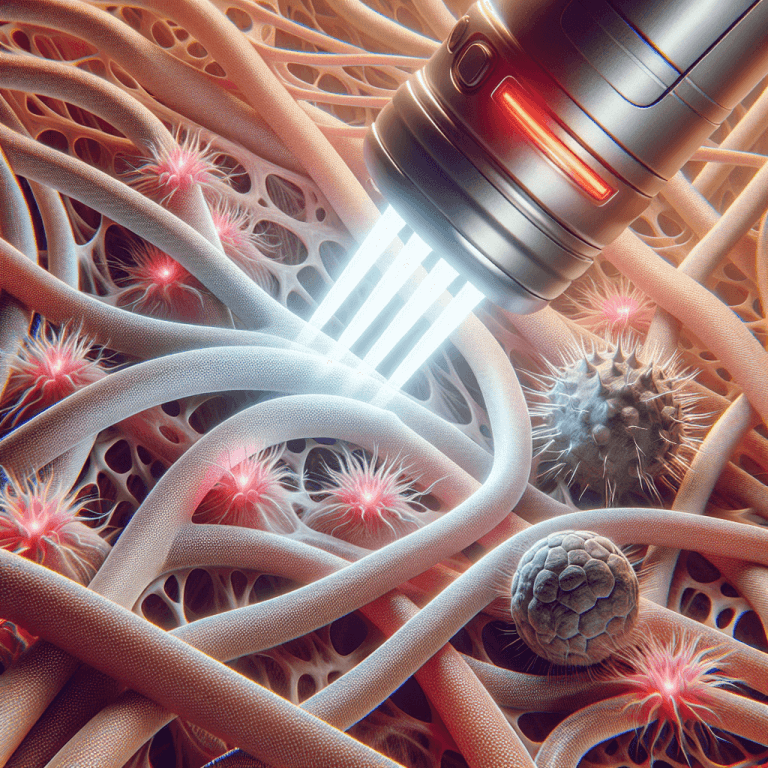
Sensitive skin can react strongly after laser hair removal, leading to irritation and inflammation. Understanding how to care for your skin post-treatment is crucial for effective healing. This article covers essential steps for immediate post-treatment care, ongoing strategies to protect sensitive skin, and tips for recognizing side effects. By following this guide, readers will learn how to minimize discomfort and promote recovery, ensuring a smoother experience after visiting a clinic. Proper care not only alleviates pain but also enhances the long-term results of laser hair removal.
Key Takeaways
- Proper skin assessment is essential before laser hair removal for sensitive skin types
- Post-treatment care includes using soothing products to promote healing and reduce irritation
- It’s important to avoid harsh ingredients in skincare routines before and after treatment
- Monitoring for adverse reactions can help in timely intervention and effective recovery
- Maintaining hydration and a balanced diet supports skin health during the healing process
Understanding the Impact of Laser Hair Removal on Sensitive Skin

Laser hair removal can significantly rejuvenate skin but poses specific challenges for sensitive skin types. Common reactions often include redness, swelling, and pigment changes, which require careful management. An assessment of skin sensitivity is essential to tailor post-treatment care, including the use of soothing lotions and products containing glycolic acid or isotretinoin, to promote healing and comfort.
Effects of Laser Treatment on Delicate Skin
Individuals with delicate skin may experience specific effects following laser hair removal, including irritation and potential for infection. Sensitive skin can be prone to both hyperpigmentation and hypopigmentation due to the skin’s reaction to the radiation used during treatment, leading to uneven skin tone. Proper post-treatment care, such as avoiding harsh products and incorporating gentle ablation techniques, can significantly mitigate these side effects, ensuring a smoother recovery process and healthier skin overall.
Common Reactions for Sensitive Skin Types
Individuals with sensitive skin may commonly experience reactions such as redness, irritation, and swelling following laser hair removal. These effects can be exacerbated by the skin’s susceptibility to factors like UV exposure from indoor tanning, which may impair healing. In addition, the treatment can affect melanocyte function, leading to uneven pigmentation; hence, the use of wound care products containing hyaluronic acid can promote hydration and support recovery during this sensitive phase.
- Reactions include redness and swelling.
- Indoor tanning can complicate healing.
- Melanocyte function may be affected, leading to pigmentation changes.
- Using hyaluronic acid aids in hydration and healing.
Importance of Skin Sensitivity Assessment
Assessing skin sensitivity is a crucial step before undergoing laser hair removal, particularly for individuals with delicate skin. This assessment helps identify specific concerns, such as a history of reactions to treatments involving anesthetics or medications like tretinoin, which can influence the skin’s response to laser therapy. By understanding these factors, practitioners can develop a customized approach to facial rejuvenation, ensuring the use of suitable post-treatment products, such as those rich in antioxidants, which can facilitate recovery on areas like the neck and face.
| Factors | Impact on Treatment |
|---|---|
| Skin Sensitivity | Determines reaction to treatment; guides pre- and post-care. |
| History of Tretinoin Use | May increase sensitivity; affects healing process. |
| Type of Anesthesia | Can influence skin response; varies from patient to patient. |
| Antioxidant Application | Supports healing; reduces irritation and redness. |
Sensitive skin needs careful attention. Preparing it properly can make all the difference in a smooth treatment.
Preparing Sensitive Skin Prior to Laser Hair Removal

Before undergoing laser hair removal, individuals with sensitive skin should prioritize specific preparations to reduce the risk of adverse reactions. Consulting with a dermatology specialist is crucial for assessing individual skin conditions, including past issues with scar formation or erythema. Conducting patch tests can help identify potential allergic reactions. Additionally, adjustments to the pre-treatment skincare routine are essential, particularly regarding the use of medication, acid-based products, and other irritants that may heighten sensitivity.
Understanding these factors sets the foundation for a smoother treatment experience and effective care post-procedure. The following sections will delve into the importance of these considerations, outlining how to adjust skincare routines and what products to avoid before treatment.
Consulting With a Dermatology Specialist
Consulting with a dermatology specialist before laser hair removal is essential for individuals with sensitive skin. These experts can provide tailored advice on how to prepare the epidermis for treatment, including recommendations to avoid direct sunlight and harmful bacteria. They may also assess any previous skin treatments, such as chemical peels, that could influence the skin’s response, ensuring that delicate areas, such as the lip region, receive appropriate care and precautionary measures for optimal results.
Patch Testing for Allergic Reactions
Patch testing is a vital step for individuals with sensitive skin before undergoing laser hair removal. This process involves applying small amounts of potential allergens, such as creams containing retinoic acid, benzoyl peroxide, or other topical treatments, to a discreet area of skin. By monitoring the skin’s reaction over a few days, practitioners can identify any adverse effects, including heightened sensitivity or conditions like melasma, ensuring a safer experience when using carbon dioxide lasers or other techniques during the treatment.
Pre-Treatment Skincare Routine Adjustments
Prior to undergoing laser hair removal, individuals with sensitive skin should make key adjustments to their skincare routines to ensure optimal treatment outcomes. Increasing moisture levels in the skin is essential, as hydrated skin is less likely to itch or react negatively to laser medicine. Additionally, it is advisable to avoid using toners that contain alcohol or harsh ingredients, as these can strip the skin of essential oils and exacerbate irritation. Instead, focusing on products that promote hydration and support melanin regulation can enhance the skin’s resilience during the hair removal process.
Medications and Products to Avoid Before Treatment
Before undergoing laser hair removal, individuals with sensitive skin should avoid certain medications and products that may exacerbate any skin condition. Topical treatments containing active ingredients like retinoids, glycolic acid, or abrasive scrubs should be discontinued at least a week prior to the procedure, as these can irritate the tissue and increase sensitivity. Additionally, serums with high concentrations of fragrance or oil should also be avoided to prevent adverse reactions during and after the treatment.
- Avoid retinoids and glycolic acid a week before treatment.
- Discontinue abrasive scrubs to minimize irritation.
- Steer clear of serums high in fragrance or oil.
- Consult with a dermatology specialist regarding your skincare routine.
After the procedure, skin demands attention. Understanding how to care for it right away can make all the difference.
Immediate Post-Treatment Care for Sensitive Skin

Following laser hair removal, immediate care for sensitive skin is critical to minimize risks such as blisters and promote healing. Applying soothing cold compresses, using recommended topical remedies containing ingredients like zinc and petroleum jelly, and avoiding heat and friction on treated areas can effectively enhance comfort. Additionally, gentle cleansing practices are essential to protect against irritation while ensuring optimal recovery.
Applying Soothing Cold Compresses
Applying soothing cold compresses immediately after laser hair removal is an effective strategy to alleviate discomfort and reduce inflammation in sensitive skin. Cold compresses can significantly lower the risk of irritation, promoting a calming effect on the treated area while supporting the natural healing process. Physicians often recommend this simple therapy to enhance recovery, especially in individuals concerned about the effects of cosmetics post-treatment or those with a heightened risk of skin cancer due to increased sensitivity.
| Action | Benefits |
|---|---|
| Applying Cold Compresses | Reduces inflammation and soothes irritation. |
| Use of Moisture-Rich Products | Supports skin hydration and healing. |
| Consulting a Physician | Ensures tailored post-treatment care. |
| Avoiding Cosmetics | Prevents irritation during recovery. |
Using Recommended Topical Remedies
Utilizing recommended topical remedies following laser hair removal is essential for soothing sensitive skin and promoting healing. Products that contain molecules like zinc, known for their anti-inflammatory properties, can help calm the dermis and reduce redness from potential burns. Additionally, applying petroleum jelly can create a protective barrier over the treated areas, aiding in moisture retention and minimizing the risk of irritation, leading to a more comfortable recovery experience.
Avoiding Heat and Friction on Treated Areas
Avoiding heat and friction on treated areas after laser hair removal is vital for sensitive skin recovery. Heat can increase inflammation and worsen irritation, while friction from clothing or activities may disrupt the delicate healing process and affect skin elasticity. To promote optimal healing, individuals should refrain from strenuous activities and the use of products containing irritating substances like propylene glycol, ensuring their skin maintains integrity and levels of collagen and elastin.
- Refrain from strenuous activities that generate heat.
- Avoid tight clothing that may cause friction.
- Steer clear of irritating products, including those with propylene glycol.
- Focus on maintaining skin integrity and promoting healing.
Gentle Cleansing Practices After Treatment
After undergoing laser hair removal, it is crucial to adopt gentle cleansing practices to support the healing of sensitive skin. Utilizing cleansers that contain vitamin E as an active ingredient can help protect the skin from oxidative stress caused by free radicals. Additionally, gentle cleansers with erbium properties can aid in soothing the skin and promoting recovery around the treated hair follicle without causing irritation.
The treatment ends, but the journey for sensitive skin continues. Understanding how to care for your skin afterward is vital in ensuring lasting results and comfort.
Ongoing Care to Protect Sensitive Skin After Laser Hair Removal

Ongoing care is essential for protecting sensitive skin after laser hair removal. Key strategies include ensuring proper hydration to promote skin recovery, selecting moisturizers that contain effective ingredients like azelaic acid and lactic acid, and safeguarding against ultraviolet exposure. Additionally, incorporating gentle exfoliation methods aids in maintaining skin health and preventing lesions, facilitating a smoother healing process.
Hydration Strategies for Skin Recovery
To support skin recovery following laser hair removal, individuals should prioritize hydration strategies that enhance skin resilience. This can involve using a gentle, hydrating facial cleanser during showers and selecting moisturizers enriched with key ingredients like hyaluronic acid and glycerin to lock in moisture. Staying properly hydrated not only helps maintain skin health but also aids in the overall recovery process, particularly after surgical procedures or intensive treatments.
Selecting Appropriate Moisturizers
Selecting appropriate moisturizers is vital for enhancing wound healing after laser hair removal, especially for those with sensitive skin. It is essential to choose hydrating products that contain soothing ingredients, as this can prevent complications such as sunburn or excessive wrinkling. Understanding one’s medical history can also guide individuals in selecting moisturizers that enhance skin recovery while avoiding irritants that could hinder the healing process:
- Hydrating products aid in wound healing.
- Soothing ingredients prevent sunburn and excessive wrinkles.
- Understanding medical history informs moisturizer choices.
Protecting Skin From Sun Exposure
Protecting sensitive skin from sun exposure after laser hair removal is crucial for optimal recovery, especially for patients with light skin, who are more vulnerable to UV damage. The application of broad-spectrum sunscreen with a high SPF is essential, as it helps prevent pigmentation changes and irritation associated with sun exposure. Incorporating antioxidants, such as tocopherol, into the skincare routine can enhance skin protection while minimizing post-treatment pain and discomfort.
| Care Strategies | Benefits |
|---|---|
| Use of Broad-Spectrum Sunscreen | Prevents UV damage and pigmentation issues. |
| Incorporating Antioxidants | Enhances skin protection and reduces irritation. |
| Monitoring Skin Reaction | Addresses any signs of pain or discomfort promptly. |
Incorporating Gentle Exfoliation Methods
Incorporating gentle exfoliation methods is essential for maintaining skin health after laser hair removal, particularly for those with sensitive skin. Moderate concentrations of ingredients like citric acid can aid in improving texture and luminosity without causing irritation. Additionally, products formulated with hydroquinone can help address pigmentation issues while being mindful of their use, as over-application may lead to side effects. Consulting with a qualified surgeon ensures that the chosen exfoliants align with individual skin needs, promoting recovery and minimizing the risk of acne or other complications.
Caring for sensitive skin is essential, but challenges can arise. Understanding and managing side effects will set the stage for a smoother recovery.
Recognizing and Managing Side Effects on Sensitive Skin

Recognizing signs of adverse reactions following laser hair removal is essential for managing sensitive skin. This section will cover how to identify potential irritation, appropriate steps to take if any issues arise, and when it may be necessary to consult a healthcare professional. Understanding these aspects can help ensure a safe recovery, particularly for individuals with dark skin types, by addressing any injuries promptly and choosing the right cleanser to soothe the skin.
Identifying Signs of Adverse Reactions
Identifying signs of adverse reactions following laser hair removal is crucial for individuals with sensitive skin. Symptoms such as excessive redness, blistering, or prolonged swelling can indicate a negative response to the treatment. Notably, patients may also notice unexpected hair loss in areas not treated, which can result from an improper laser setting. Recognizing these signs early allows for timely intervention and consultation with a professional, particularly for those searching for “laser hair removal near me.” Taking proactive measures can lead to better recovery outcomes and overall skin health.
- Monitor for excessive redness or blistering.
- Watch for prolonged swelling after treatment.
- Be aware of abnormal hair loss in untreated areas.
- Consult a professional if reactions persist or worsen.
Steps to Take if Irritation Occurs
If irritation occurs after laser hair removal, it is vital to take immediate action to mitigate discomfort and promote healing. Individuals should gently cleanse the treated area with a mild, hydrating cleanser to remove any irritants and avoid further aggravation. Applying a soothing ointment, such as one containing aloe vera or zinc oxide, can provide relief and create a protective barrier over the skin.
- Gently cleanse the treated area with a mild, hydrating cleanser.
- Apply a soothing ointment to reduce irritation and promote healing.
- Avoid harsh products or activities that could exacerbate discomfort.
When to Consult a Healthcare Professional
Individuals experiencing unusual or severe side effects after laser hair removal, such as persistent pain, blistering, or signs of infection like increased redness and swelling, should promptly consult a healthcare professional. Early intervention is important as it can prevent complications and ensure appropriate care for sensitive skin. Additionally, if there is any change in skin texture or unexpected hair loss in areas not treated, seeking medical advice can help address these concerns effectively.
| Signs of Concern | Recommended Action |
|---|---|
| Persistent Pain | Consult a healthcare professional for evaluation. |
| Severe Redness and Swelling | Seek advice to rule out infection. |
| Blistering | Contact a provider for immediate care. |
| Unexpected Hair Loss | Request an assessment of treatment effectiveness. |
Managing side effects is just the beginning. Behind the challenges, effective long-term strategies await for those with sensitive skin.
Long-Term Skincare Strategies for Sensitive Skin

Establishing a sensitive skin-friendly routine is essential after laser hair removal to support ongoing skin healing and health. Individuals should focus on selecting products that nourish and protect their skin while scheduling follow-up treatments safely to avoid over-sensitization. Additionally, incorporating lifestyle habits that benefit sensitive skin can further enhance long-term wellness. Each of these strategies will be discussed in detail to provide practical guidance for effective care.
Establishing a Sensitive Skin-Friendly Routine
Establishing a sensitive skin-friendly routine is essential for long-term care following laser hair removal. Individuals should focus on incorporating gentle, hydrating products that minimize irritation while promoting skin repair. Utilizing moisturizers with ingredients like hyaluronic acid and avoiding aggressive exfoliants can significantly enhance skin resilience, allowing it to recover effectively after treatments and preventing potential adverse reactions.
Products to Support Skin Healing and Health
To support skin healing and health after laser hair removal, individuals with sensitive skin should choose products specifically designed to enhance recovery and minimize irritation. Gentle moisturizers containing soothing ingredients like aloe vera, ceramides, and hyaluronic acid can help retain moisture and facilitate the healing process, while also reducing the risk of dryness and flaking. Additionally, incorporating serums rich in antioxidants can further protect the skin from environmental stressors, making them an essential part of any long-term skincare routine following laser treatments.
Scheduling Follow-Up Treatments Safely
Scheduling follow-up treatments safely is essential to ensure the continued health and comfort of sensitive skin after laser hair removal. It is advisable to wait a sufficient amount of time between sessions to allow the skin to fully recover, typically ranging from four to six weeks, depending on individual skin conditions and healing response. Regular consultations with a skincare professional can guide individuals in determining the optimal treatment frequency and timing, maximizing effectiveness while minimizing the risk of irritation.
| Consideration | Importance |
|---|---|
| Time Between Treatments | Allows for full skin recovery and minimizes irritation. |
| Consultation with Professionals | Guides effective treatment scheduling based on individual needs. |
| Monitoring Skin Health | Ensures timely adjustments to the treatment plan based on skin recovery. |
Lifestyle Habits That Benefit Sensitive Skin
Adopting lifestyle habits that support sensitive skin is essential for those recovering from laser hair removal. Regular hydration plays a crucial role in maintaining skin elasticity and preventing dryness, while a balanced diet rich in antioxidants can protect the skin from free radicals that may cause irritation. Additionally, prioritizing stress management techniques, such as yoga or meditation, can enhance overall skin health by reducing inflammation and promoting a calm complexion.
Conclusion
Effective care for sensitive skin following laser hair removal is vital to ensure optimal recovery and minimize complications. Individuals must prioritize hydration, select suitable moisturizing products, and protect their skin from sun exposure to promote healing. Consulting with skincare professionals can provide tailored guidance and enhancements to the skincare routine. By implementing these strategies, individuals can significantly improve their skin’s resilience and overall health, ensuring a successful treatment experience.