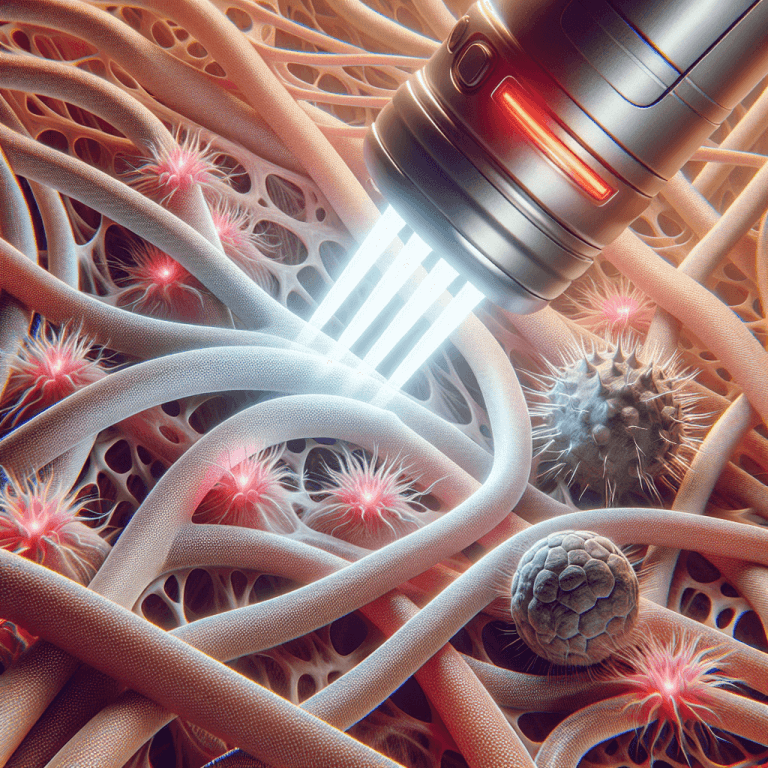
Many individuals believe that laser hair removal is a straightforward process with minimal aftercare. However, avoiding sun exposure after the treatment is crucial for skin health, particularly for preventing complications such as irritation and long-term skin damage. This article will explore how laser hair removal affects the skin, the risks associated with sun exposure, and effective strategies for protecting the dermis. By understanding these key points, readers will learn how to avoid signs and symptoms that could lead to more severe issues like skin cancer. Engaging with this content will empower individuals to make informed decisions about their post-treatment care.
Key Takeaways
- Laser hair removal requires careful post-treatment care to manage increased skin sensitivity
- Avoid sun exposure for a minimum of four to six weeks after the procedure
- Broad-spectrum sunscreen is essential to protect the skin and support healing
- Changes in melanin production can lead to pigmentation issues; monitoring is crucial
- Effective pre-treatment care helps minimize risks associated with sun exposure during the procedure
Understanding How Laser Hair Removal Affects Your Skin

Laser hair removal involves targeting the hair follicles within the epidermis using concentrated light, which affects skin sensitivity. Post-treatment skin may exhibit increased sensitivity, necessitating careful attention. Furthermore, this procedure can alter melanin production, impacting skin pigmentation and potentially influencing other skin conditions, such as when considering laser treatments for tattoo removal.
The Science Behind Laser Hair Removal
The science behind laser hair removal is based on the principles of laser medicine, which employs concentrated light beams to target hair follicles. This therapy precisely damages the follicle, which inhibits future hair growth while promoting skin rejuvenation. Areas such as the neck can particularly benefit, but they also require careful post-treatment care, especially regarding sun exposure, to ensure optimal results and minimize any adverse effects.
| Aspect | Description |
|---|---|
| Procedure | Utilizes concentrated light to target hair follicles. |
| Goal | Inhibits future hair growth and promotes skin rejuvenation. |
| Areas of Treatment | Commonly treated areas include the neck and face. |
| Post-Treatment Care | Avoiding sun exposure is critical for skin protection. |
Changes in Skin Sensitivity After Treatment
After laser hair removal, individuals often experience increased skin sensitivity, making post-treatment care essential. This heightened sensitivity can predispose the skin to irritation, particularly when exposed to sunlight. Protecting the skin with personal protective equipment, such as sunscreen and hats, is vital. Additionally, products containing tretinoin should be avoided as they can exacerbate the sensitivity and lead to issues such as stretch marks. Maintaining a careful skincare routine, without waxing or other harsh treatments, fosters optimal healing.
| Skin Sensitivity Factors | Description |
|---|---|
| Increased Sensitivity | Laser hair removal may lead to heightened sensitivity in treated areas. |
| Sun Exposure | Direct sun exposure can aggravate sensitivity and cause irritation. |
| Personal Protective Equipment | Utilizing sunscreen and protective clothing is recommended. |
| Skincare Products | Avoid tretinoin and waxing to prevent further skin irritation. |
Impact on Melanin and Skin Pigmentation
Laser hair removal can significantly alter melanin levels in the skin, leading to changes in pigmentation. For individuals with dark skin, this effect may pose particular challenges, as fluctuations in pigmentation can become more pronounced. To mitigate potential skin issues post-treatment, using a broad-spectrum sunscreen containing zinc oxide is essential for providing adequate protection against harmful radiation, ensuring the skin remains healthy and maintaining its beauty during the healing process.
Laser hair removal can leave the skin sensitive and vulnerable. Understanding the risks of sun exposure after treatment is crucial for maintaining healthy skin.
The Risks of Sun Exposure Post Laser Hair Removal

Post laser hair removal, skin experiences increased susceptibility to sunburn and heightened risks of irritation. This exposure can lead to hyperpigmentation or hypopigmentation, complicating the wound healing process. Moreover, the injury to the skin may result in noticeable redness. Each of these factors underscores the importance of effective sun protection, including the use of products containing titanium dioxide to minimize potential damage.
Increased Susceptibility to Sunburn
After laser hair removal, individuals become increasingly susceptible to sunburn due to the skin’s altered state. Exposure to sunlight can raise the risk of irritation and exacerbate any redness from the treatment, particularly if proper precautions are not taken. Medications or topical products used post-procedure can further heighten this vulnerability, making it critical for clients visiting clinics to adhere to strict sun avoidance guidelines for optimal healing.
| Aspect | Description |
|---|---|
| Increased Susceptibility | Skin is more prone to sunburn following laser hair removal. |
| Sun Exposure Risks | Can lead to irritation and prolonged redness. |
| Medication Effects | Topical products may increase sensitivity to sunlight. |
| Clinic Recommendations | Strict adherence to post-treatment care is essential. |
Possibility of Hyperpigmentation and Hypopigmentation
After laser hair removal, patients may experience the risk of hyperpigmentation or hypopigmentation due to increased skin sensitivity and changes in melanin production. Direct sun exposure can exacerbate conditions like acne or lead to an itchy sensation in treated areas, making it crucial for individuals to prioritize sun protection. Employing effective post-treatment strategies, such as using high-SPF sunscreen or protective clothing, can help minimize these risks and promote better healing outcomes.
Potential for Skin Irritation and Redness
Post laser hair removal, the skin is particularly susceptible to irritation and redness, especially when exposed to sunlight. Engaging in sun tanning or indoor tanning can lead to adverse effects, such as heightened sensitivity, which may result in painful sunburn and increase the risk of developing skin conditions like melasma. To protect the skin, applying a sunscreen with zinc oxide and adhering to strict sun avoidance practices is crucial for healing and maintaining skin health following the procedure.
After laser hair removal, the sun is no friend. It is wise to know how long to stay in the shade to protect your skin.
Recommended Duration for Avoiding Sun Exposure

Recommended Duration for Avoiding Sun Exposure
Sun avoidance after laser hair removal is crucial for optimal recovery. General guidelines indicate a minimum of four to six weeks without sun exposure is advisable. Recovery time can vary based on individual skin types and procedures, such as chemical peels or plastic surgery. Awareness of signs that indicate it is safe to resume sun activities is essential to avoid risks of hyperpigmentation and other complications.
General Guidelines for Sun Avoidance
Following laser hair removal, individuals should adhere to strict guidelines regarding sun exposure to protect the skin’s integrity. It is advised to avoid direct sunlight for at least four to six weeks, as this time frame allows the skin to heal and minimizes the risk of burns or pigment changes due to melanin fluctuations. Utilizing a high-SPF sunscreen lotion is essential during this period to further safeguard the skin from harmful UV rays.
- Avoid sun exposure for a minimum of four to six weeks after laser hair removal.
- Apply a high-SPF sunscreen lotion to protect treated areas effectively.
- Be aware of melanin levels in the skin, as they may change post-treatment.
- Take precautions to prevent any burns or irritation during the healing process.
Factors Influencing Recovery Time
Several factors can influence recovery time after laser hair removal, including skin type, treatment area, and individual response to the procedure. For instance, individuals with darker skin tones might experience a heightened risk of inflammation and changes in pigment, leading to potential hypopigmentation or hyperpigmentation. Moreover, factors such as previous shaving before the procedure and post-treatment care, including the use of appropriate eye protection and sun avoidance, play a critical role in determining how quickly the skin can heal and restore its natural balance.
Recognizing When It's Safe to Resume Sun Activities
Recognizing when it is safe to resume sun activities after laser hair removal is essential for maintaining healthy skin, especially in treated areas such as the chin. Typically, individuals with light skin should wait at least four to six weeks before exposing their skin to ultraviolet rays. Monitoring for erythema, or redness, can serve as a helpful indicator; if redness persists, it is best to continue avoiding sun exposure to prevent hyperpigmentation and ensure optimal skin recovery.
Sunlight can be unforgiving after treatment. Knowing how to protect the skin becomes essential for recovery and lasting results.
Effective Strategies to Protect Your Skin After Treatment

To ensure effective protection of the skin after laser hair removal, applying broad-spectrum sunscreen regularly is essential. Additionally, wearing protective clothing and accessories can help shield sensitive areas from harmful UV exposure. Limiting outdoor time during peak sun hours further minimizes risks of irritation and infection. Each of these strategies plays a vital role in maintaining skin health post-treatment, particularly when considering factors like acid and vitamin treatments or the use of hydroquinone for pigmentation concerns.
Applying Broad-Spectrum Sunscreen Regularly
Applying broad-spectrum sunscreen regularly is vital for individuals who have undergone laser hair removal, as it provides essential protection against harmful UV rays that can exacerbate sensitivity and lead to skin damage. This type of sunscreen not only shields the skin from the sun’s intense beams but also helps maintain moisture levels, reducing the risk of scars forming on the treated areas. Physicians often recommend incorporating sunscreen as part of the daily skincare routine to ensure optimal healing and preservation of skin integrity following treatment.
Wearing Protective Clothing and Accessories
Wearing protective clothing and accessories is an essential strategy to safeguard the skin after laser hair removal. This approach not only helps shield the delicate areas from harmful UV rays but also reduces the risk of irritation while the skin heals from any potential wound caused by the treatment. For those seeking “laser hair removal near me,” incorporating wide-brimmed hats and light fabrics can further enhance protection against sun exposure, especially during outdoor activities, and support the healing process by minimizing the need for exfoliation in the weeks following the procedure.
Limiting Time Spent Outdoors During Peak Sun Hours
Limiting time spent outdoors during peak sun hours is a crucial measure for protecting the skin after laser hair removal. The skin’s increased sensitivity makes exposure to direct sunlight, particularly between 10 AM and 4 PM, more risky, potentially leading to sunburn and undesirable pigmentation changes. Individuals recovering from this procedure should plan outdoor activities during the early morning or late afternoon to minimize harmful UV exposure, thus promoting better healing and maintaining skin integrity.
To protect your skin, preparation is key. As the warmth of sunny days approaches, understanding how to care for your skin before laser hair removal becomes essential.
Preparing for Laser Hair Removal During Sunny Periods

Scheduling laser hair removal treatments wisely during sunny periods is crucial to minimize sun exposure risks. Effective pre-treatment care can enhance the skin’s resilience, ensuring better outcomes. In cases where sun exposure cannot be avoided, considering alternative hair removal methods might be necessary to maintain skin health and avoid complications. These topics will guide individuals in making informed decisions regarding laser hair removal.
Scheduling Treatments Wisely
When planning for laser hair removal during sunny periods, scheduling treatments strategically is crucial for protecting the skin from potential sun damage. It is advisable to book sessions during cooler months or at times when sun exposure is minimal, such as early mornings or late afternoons. This approach not only limits risks associated with heightened skin sensitivity but also enhances recovery, allowing individuals to enjoy smoother skin without the complications that direct sunlight can cause post-treatment.
Pre-Treatment Care to Minimize Risks
Before undergoing laser hair removal during sunny periods, it is crucial to implement effective pre-treatment care to minimize risks associated with sun exposure. Clients should apply broad-spectrum sunscreen daily, ensuring ample coverage on treated areas, ideally starting at least a week prior to the procedure. Additionally, wearing protective clothing, such as long sleeves or hats, can help shield the skin from ultraviolet rays, reducing the likelihood of irritation and complications post-treatment:
- Apply broad-spectrum sunscreen daily.
- Start sunscreen application at least one week before the procedure.
- Wear protective clothing, such as long sleeves or hats.
Alternative Hair Removal Methods When Necessary
In situations where sun exposure is unavoidable, exploring alternative hair removal methods can be beneficial for individuals preparing for laser hair removal during sunny periods. Techniques such as shaving, or using depilatory creams, may offer temporary solutions that do not compromise skin integrity. These methods can effectively manage hair growth while allowing ample time for skin recovery post-laser treatment without risking irritation from sun exposure.
Taking care of your skin after treatment is just as crucial as the preparation before it. Understanding the long-term benefits of proper post-treatment care can make all the difference in achieving smooth, hair-free skin.
Long-Term Benefits of Proper Post-Treatment Care

Avoiding sun exposure after laser hair removal significantly enhances treatment effectiveness by allowing the skin to heal properly. This careful post-treatment care helps maintain a healthy and even skin tone while minimizing the risk of complications, leading to lasting results. Each aspect plays a vital role in preserving skin health, ensuring that individuals achieve the desired outcomes from their laser hair removal sessions.
Enhancing Treatment Effectiveness
To enhance the effectiveness of laser hair removal, avoiding sun exposure post-treatment is essential for proper skin recovery. Sunlight can lead to complications such as hyperpigmentation or irritation, which may undermine the results of the procedure. By prioritizing sun protection strategies, such as using broad-spectrum sunscreen, individuals can promote optimal healing and ensure their skin remains smooth and flawless in the long term.
Maintaining Healthy and Even Skin Tone
Maintaining a healthy and even skin tone after laser hair removal is directly linked to effective post-treatment care, predominantly through sun avoidance. Exposure to ultraviolet rays can lead to pigmentation changes, resulting in an uneven complexion. By consistently applying broad-spectrum sunscreen and avoiding direct sunlight during the recovery phase, individuals can support their skin’s healing process, ensuring long-lasting and aesthetically pleasing results from the procedure.
Avoiding Complications for Lasting Results
Avoiding complications after laser hair removal is crucial for achieving lasting results and maintaining skin health. Exposure to sunlight can lead to issues such as hyperpigmentation and irritation, which may undermine the benefits of the treatment. Implementing effective post-treatment care, including diligent sun protection, allows individuals to enjoy smoother skin and mitigates the risk of adverse reactions, ensuring that the results of their laser hair removal procedure are both visible and long-lasting.
Conclusion
Avoiding sun exposure after laser hair removal is crucial for optimal skin recovery and protecting treatment results. Increased sensitivity and the risk of pigmentation changes highlight the necessity of diligent sun protection strategies, such as using broad-spectrum sunscreen and wearing protective clothing. By adhering to recommended guidelines, individuals can enhance the effectiveness of their treatments and maintain a healthy, even skin tone. Ultimately, prioritizing sun avoidance ensures lasting results and supports overall skin health after laser hair removal procedures.