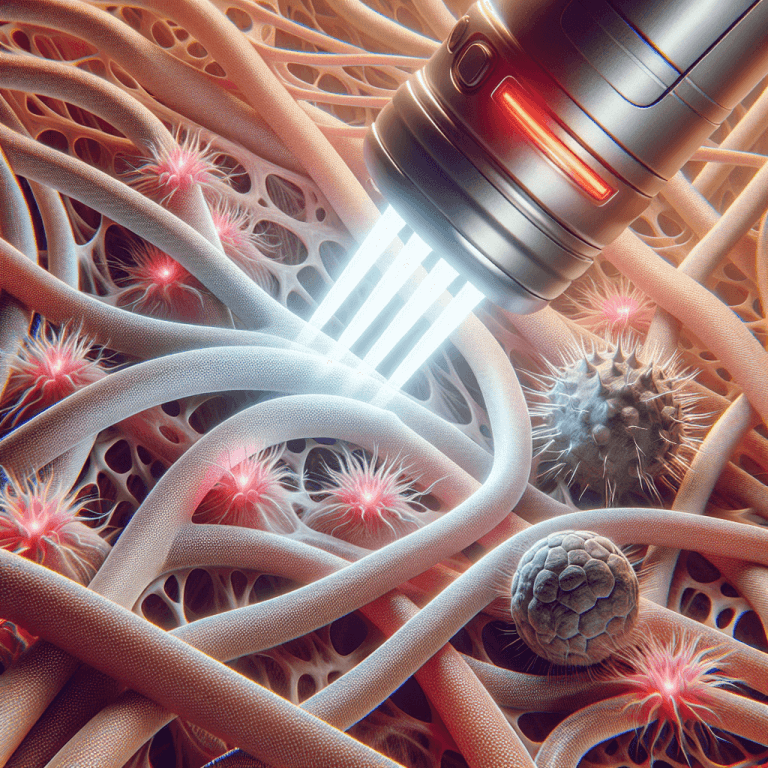
Are you curious about how long a laser hair removal session will take? Understanding session duration can help alleviate concerns about time commitments and manage expectations. This guide will cover factors affecting session length, average times for various body areas, and tips to prepare effectively. By reading this article, you will gain insight into how to maximize accessibility to treatment, minimize irritation during the process, and ensure optimal results—ultimately making your path to smoother skin more efficient.
Key Takeaways
- Session duration varies based on the size and location of the treatment area
- Hair density and thickness can significantly affect the time required for effective treatment
- Skin tone and hair color influence both effectiveness and session duration in laser hair removal
- The expertise of the technician is crucial for maximizing efficiency and minimizing discomfort
- Consistent scheduling of sessions ensures optimal results and reduces overall treatment time
Factors That Affect Laser Hair Removal Session Duration

The duration of a laser hair removal session is influenced by several key factors. Treatment area size and location, such as the eyelid or a larger area like the legs, directly affect the time required. Additionally, hair density and thickness, as well as skin tone and hair color, play a significant role. The specific type of laser technology used can also impact efficiency. Finally, the expertise of the technician is crucial for optimal results, especially for conditions like hirsutism and hypertrichosis. Each of these factors will be examined in detail to provide a clearer understanding of session duration laser hair removal near me.
Treatment Area Size and Location
The size and location of the treatment area significantly influence the duration of a laser hair removal session at a clinic. Smaller areas, such as the upper lip or underarms, typically require less time than larger regions like the legs or back. Additionally, certain locations may demand extra care, particularly if there are concerns related to skin cancer or conditions like pseudofolliculitis barbae, which can complicate hair removal. Understanding these dynamics can help clients set appropriate expectations for their sessions:
- Smaller treatment areas are quicker to complete.
- Larger areas require more time and precision.
- Locations with higher sensitivity might need special attention.
Hair Density and Thickness
Hair density and thickness significantly impact the duration of a laser hair removal session. A higher density of hair means that the technician must treat more follicles, extending the time required for effective therapy. Additionally, thicker hair absorbs the light beam more readily, necessitating adjustments in the treatment parameters, which can also influence session length. Understanding these factors empowers clients to anticipate their treatment schedules and optimize their results while minimizing edema and discomfort associated with the procedure.
Skin Tone and Hair Color Considerations
Skin tone and hair color are critical factors in determining the effectiveness and duration of laser hair removal sessions. Lighter skin tones with darker hair provide the ideal contrast, allowing lasers to target the pigment in the hair effectively. Conversely, individuals with lighter hair or darker skin may require customized settings and longer pulse durations, prompting the technician to assess the client’s medical history carefully. Eye protection is also essential during these sessions to safeguard against potential laser exposure.
- Contrasting skin and hair colors enhance treatment efficiency.
- Adjustments are needed for clients with lighter hair or darker skin tones.
- Medical history and eye protection must be considered before treatment.
Type of Laser Technology Used
The type of laser technology used in hair removal directly influences the duration and effectiveness of the session. Different laser systems, such as Alexandrite, Diode, and Nd:YAG lasers, cater to various skin types and hair characteristics, each with unique operational parameters. For instance, advanced laser technologies may offer faster treatments and fewer side effects, reducing the risk of burns, making sessions more comfortable for patients while efficiently targeting body hair.
- The laser technology significantly impacts session duration.
- Specific lasers target different skin types and hair characteristics.
- Advanced systems can minimize side effects and increase comfort.
Expertise of the Technician
The expertise of the technician performing the laser hair removal significantly impacts the duration and effectiveness of each session. A skilled technician can efficiently target each hair follicle based on the individual’s melanin levels, ensuring that the treatment is optimized for those with light skin or varying hair densities. Additionally, their experience allows them to navigate concerns such as potential pain associated with the procedure, especially for clients who may use sunless tanning products that alter skin tone.
| Factor | Impact on Session Duration |
|---|---|
| Expertise of the Technician | A knowledgeable technician maximizes efficiency, adjusts for skin and hair characteristics, and reduces discomfort. |
| Treatment Area Size | Smaller areas require less time compared to larger treatment zones. |
| Hair Density and Thickness | Higher density and thicker hair necessitate longer treatment times. |
| Skin Tone and Hair Color | Contrast between skin tone and hair color affects treatment effectiveness and duration. |
| Type of Laser Technology Used | Different lasers can optimize treatment speed and comfort. |
Understanding the factors that influence session duration provides clarity. Next, let’s look at the average time required for different body areas, which reveals what to expect during treatments.
Average Time Required for Different Body Areas

The average time required for laser hair removal varies significantly across different body areas, directly influencing treatment efficacy. Facial areas, including the chin and neck, generally need less time, while underarms and arms require moderate sessions. In contrast, bikini line and Brazilian treatments take longer due to their intricate nature. Larger areas like legs, thighs, back, and chest can extend session durations. Understanding the specifics helps clients manage expectations for their laser hair removal journey.
Facial Areas and Neck
Laser hair removal sessions for facial areas and the neck typically require a shorter duration compared to larger body parts. Commonly treated areas, such as the upper lip and chin, can usually be completed in under 30 minutes. However, factors like skin type and sensitivity must be considered, as a longer wavelength laser may be necessary to minimize risks such as erythema or scarring, particularly for sensitive skin. Proper technique and attention to detail during the session can greatly reduce these risks, ensuring a safe and effective treatment for those seeking smooth skin in these delicate areas.
Underarms and Arms
Laser hair removal sessions for the underarms and arms typically range from 15 to 30 minutes, depending on factors such as hair density and skin type. For individuals with dark skin, careful adjustments to the laser settings are essential to minimize the risk of injury and ensure effective hair loss. Unlike electrolysis, which can take longer and be less suitable for larger areas, laser hair removal offers a quicker solution to achieve smoother skin with minimal discomfort.
- Duration of sessions: 15 to 30 minutes.
- Considerations for dark skin: Adjustments to laser settings to prevent injury.
- Advantages over electrolysis: Faster results for larger areas.
Bikini Line and Brazilian Treatments
Bikini line and Brazilian laser hair removal treatments generally require more time compared to other areas due to their intricate nature. Typically, sessions for the bikini line can last around 20 to 40 minutes, while Brazilian treatments may take approximately 30 to 60 minutes, depending on individual hair density and skin characteristics. Understanding these timeframes allows clients to plan accordingly and ensures they receive effective results with minimal discomfort during their sessions.
Legs and Thighs
Laser hair removal sessions for legs and thighs typically require a time range of 30 to 60 minutes, depending on several factors including hair density and skin type. Larger areas like these often necessitate more passes with the laser to ensure thorough treatment, which can extend the duration. Clients seeking smooth and hair-free skin can expect efficient results, especially when the procedure is performed by a skilled technician familiar with the specific challenges of treating these expansive regions.
Back and Chest Sessions
Laser hair removal sessions for the back and chest typically require between 30 to 90 minutes, influenced by factors such as hair density and skin type. These larger areas often necessitate multiple passes with the laser to achieve optimal results, as careful targeting is essential to effectively treat varying follicle thicknesses. Clients can expect a comprehensive approach during these sessions, ensuring minimal discomfort while effectively removing unwanted hair for smoother skin.
After assessing the average time required for different body areas, it’s clear that efficiency matters. Now, let’s see what unfolds during a laser hair removal session, where precision meets comfort.
What Happens During a Laser Hair Removal Session

A laser hair removal session begins with an initial consultation and skin assessment, allowing the technician to determine the most effective approach. Preparation follows, addressing safety measures and settings tailored to individual needs. The actual procedure consists of a step-by-step process that targets hair follicles while minimizing discomfort. After the treatment, post-care instructions are provided, guiding clients on optimal recovery. Lastly, scheduling the next appointment ensures continuity in achieving desired results.
Initial Consultation and Skin Assessment
The initial consultation and skin assessment play a crucial role in the laser hair removal process. During this stage, the technician evaluates the client’s skin type and hair characteristics, determining the most effective treatment plan tailored to their individual needs. This assessment helps establish safety protocols, sets parameters for the laser technology used, and provides an opportunity for clients to ask questions or express any concerns regarding the procedure.
Preparation Before the Procedure
Preparation before the laser hair removal procedure is critical for ensuring safety and optimizing effectiveness. Clients are typically advised to avoid sun exposure, tanning beds, and certain skincare products like retinoids in the weeks leading up to their appointment. This precaution helps reduce the risk of skin irritation and enhances the laser‘s ability to target hair follicles effectively, ensuring a smoother process and achieving the desired results.
- Clients should avoid sun exposure prior to their session.
- Sunless tanning products should be discontinued for optimal results.
- Skincare products containing retinoids must be avoided to minimize skin irritation.
- Consultation with a technician helps establish safety measures.
Step-by-Step Overview of the Session
The laser hair removal session follows a structured process to ensure client safety and treatment effectiveness. Initially, the technician applies a protective gel to the treatment area, which helps cool the skin and enhance comfort during the procedure. The technician then uses a handheld laser device to deliver targeted pulses of light to the hair follicles, while continuously monitoring the skin’s reaction to adjust settings as necessary for optimal results.
Post-Treatment Care Instructions
Post-treatment care instructions are essential for ensuring optimal results and minimizing potential side effects after a laser hair removal session. Clients are typically advised to avoid sun exposure and refrain from using harsh skincare products for at least a week following their treatment. This precaution helps protect the treated area, allowing for proper healing while maintaining the effectiveness of the laser hair removal process.
Scheduling the Next Appointment
Scheduling the next appointment for laser hair removal is crucial for achieving optimal results and ensuring effective hair reduction. Typically, clients are advised to return for follow-up sessions every four to eight weeks, depending on individual hair growth cycles and the specific areas treated. Consistent scheduling minimizes hair regrowth and helps maintain smooth skin, allowing clients to enjoy the long-term benefits of their laser treatments:
- Effective hair reduction requires consistent follow-up appointments.
- Sessions are usually scheduled every four to eight weeks.
- Maintaining a regular schedule enhances treatment outcomes.
Laser hair removal is a straightforward process, but preparation can make it even smoother. Knowing how to get ready for your session can save time and enhance your experience.
How to Prepare for Your Session to Save Time

Proper preparation for a laser hair removal session can significantly enhance its efficiency and effectiveness. Prospective clients should follow pre-treatment guidelines, including appropriate skin care, correctly shaving the treatment area, and avoiding certain products and medications. Additionally, arriving ready on the day of treatment ensures a smoother process, minimizing session duration and maximizing results.
Pre-Treatment Guidelines to Follow
Preparing for a laser hair removal session is essential for maximizing efficiency and effectiveness. Clients should begin by avoiding sun exposure and tanning products at least two weeks prior, as skin sensitivity can impact treatment comfort and results. Additionally, individuals should shave the treatment area 24 hours before their appointment, ensuring that hair is trimmed to the appropriate length for optimal laser absorption.
- Avoid sun exposure and tanning products for at least two weeks before the session.
- Shave the treatment area 24 hours prior to ensure proper hair length.
- Consult with the technician regarding any medications or skincare products that should be avoided.
Proper Skin Care Ahead of the Session
Proper skin care ahead of a laser hair removal session is vital for enhancing treatment effectiveness and comfort. Clients should ensure their skin is clean and free from any lotions or creams prior to the appointment, as these products can hinder laser absorption. Moreover, incorporating a gentle skincare routine and using hydrating products in the days leading up to the session can help prepare the skin, minimizing irritation and promoting a smoother treatment experience.
Shaving the Treatment Area Appropriately
Shaving the treatment area appropriately before a laser hair removal session is crucial for maximizing effectiveness and minimizing discomfort. Clients should shave the area 24 hours prior to the appointment to ensure the hair is at an ideal length for optimal laser absorption. This preparation not only enhances the treatment’s efficacy but also reduces the risk of potential skin irritation during the procedure, allowing for a smoother and more efficient session overall.
Avoiding Certain Products and Medications
Clients should avoid certain products and medications prior to their laser hair removal session to ensure the procedure’s effectiveness and safety. Specifically, they should refrain from using products that contain retinoids, alpha-hydroxy acids, or other exfoliating agents, as these can increase skin sensitivity and the risk of irritation during treatment. Additionally, individuals taking medications that may make their skin more susceptible to burning or discoloration should consult with their technician to discuss alternatives or adjustments before their appointment, ultimately facilitating a smoother and more efficient session.
Arriving Ready on the Day of Treatment
Arriving prepared on the day of the laser hair removal treatment can significantly enhance the efficiency of the session. Clients should aim to arrive with clean skin, free from lotions or creams, as this allows the laser to target hair follicles effectively without interference. Furthermore, being punctual helps facilitate a smoother process, allowing the technician to conduct an extensive pre-treatment consultation, which ultimately contributes to achieving optimal results in a timely manner.
You’ve prepared well, and now it’s time to consider the commitment involved. The time you invest today will pay off with lasting results tomorrow.
Understanding the Total Time Commitment for Optimal Results

Understanding the Total Time Commitment for Optimal Results
The number of sessions typically required for effective laser hair removal varies based on individual hair growth patterns and treatment areas. Recommended intervals between sessions help maximize results while addressing factors influencing overall treatment duration. Clients should manage expectations for hair reduction and consider long-term maintenance for sustained benefits. Each of these topics will be explored in detail to provide a clearer understanding of the total time commitment involved.
Number of Sessions Typically Required
The number of sessions typically required for laser hair removal varies based on individual factors, including hair growth patterns and the specific treatment area. On average, clients may need between five to eight sessions for optimal results, with treatments spaced four to six weeks apart to accommodate the hair growth cycle. Understanding this commitment allows clients to plan effectively and ensures they achieve long-lasting smooth skin and reduced hair regrowth.
Recommended Intervals Between Sessions
Recommended intervals between laser hair removal sessions are essential for achieving optimal results and effective hair reduction. Typically, clients are advised to schedule treatments every four to six weeks, allowing the hair follicles to enter the optimal growth phase for targeting. This timing not only maximizes the effectiveness of the laser treatment but also fits within the natural hair growth cycle, ensuring that clients enjoy smoother skin with minimal regrowth after each session.
Factors Influencing Overall Treatment Duration
Numerous factors influence the overall treatment duration for laser hair removal, affecting not only the length of individual sessions but also the total time commitment required for optimal results. Key elements include the hair growth cycle, with active hair follicles being most responsive to treatment, and the body area being treated, as larger or more complex regions necessitate extended session times. Additionally, the specific hair and skin characteristics of each client play a vital role, as variations in hair density and thickness can dictate the number of passes required with the laser.
| Factor | Impact on Treatment Duration |
|---|---|
| Hair Growth Cycle | Active follicles provide the best response, influencing session effectiveness and frequency. |
| Body Area | Larger, complex areas require additional time for thorough treatment. |
| Hair and Skin Characteristics | Variations in density and thickness necessitate adjustments in laser application. |
Managing Expectations for Hair Reduction
Managing expectations for hair reduction is crucial for individuals considering laser hair removal. Clients should understand that achieving complete hair removal often requires multiple sessions, generally ranging from five to eight, spaced four to six weeks apart. By setting realistic goals and recognizing the gradual nature of hair reduction, clients can better appreciate the effectiveness of the treatment and approach their sessions with confidence.
| Factor | Impact on Treatment Duration |
|---|---|
| Number of Sessions | Typically five to eight sessions needed for optimal results. |
| Frequency of Treatments | Sessions are spaced four to six weeks apart to align with the hair growth cycle. |
| Realistic Goals | Clients should have realistic expectations about gradual hair reduction over time. |
Long-Term Maintenance Considerations
Long-term maintenance is an essential aspect of laser hair removal that clients must consider for optimal results. After completing the initial series of sessions, individuals may require occasional touch-up treatments to address any regrowth, particularly for areas where hair is finer or has different characteristics. Maintaining a consistent treatment schedule will help clients achieve the desired level of smoothness and extend the longevity of their results, ensuring a hair-free experience in the months and years following their comprehensive hair removal journey.
Knowing how long each session takes helps one plan better. Next, there are simple strategies that can make those sessions shorter and more efficient.
Tips to Reduce Laser Hair Removal Session Duration

To reduce the duration of laser hair removal sessions, individuals should focus on several practical strategies. Choosing an experienced provider can enhance efficiency and effectiveness. Staying consistent with appointment schedules ensures optimal treatment timing. Following aftercare instructions closely, communicating any concerns promptly, and maintaining healthy skin between sessions also contribute significantly to a smoother process. These insights provide clients with actionable steps to maximize their laser hair removal experience.
Choosing an Experienced Provider
Choosing an experienced provider for laser hair removal can significantly streamline the duration of each session. Skilled technicians possess a deep understanding of the equipment and the nuances of different hair and skin types, allowing them to efficiently target hair follicles while minimizing discomfort. Their expertise can lead to quicker, more effective treatments, reducing the need for extra sessions and ensuring clients achieve smoother skin in less time.
Staying Consistent With Appointment Schedules
Staying consistent with appointment schedules is essential for optimizing the duration of laser hair removal sessions. By adhering to the recommended intervals of four to six weeks between treatments, clients can ensure that hair follicles are in the optimal growth phase for effective targeting. Regular appointments not only facilitate a smoother process but also help maintain momentum in achieving desired hair reduction results, ultimately leading to more efficient sessions at the clinic. This commitment to scheduling can significantly enhance the overall experience and satisfaction with the treatment outcomes.
Following Aftercare Instructions Carefully
Following aftercare instructions carefully is crucial for maximizing the effectiveness of laser hair removal and minimizing session duration. Clients who adhere to guidelines, such as avoiding sun exposure and refraining from harsh skincare products post-treatment, often experience better results with quicker healing times. This proactive approach not only enhances the overall process but also reduces the likelihood of complications, allowing for a smoother transition into subsequent sessions and ultimately leading to a more efficient hair removal experience.
Communicating Any Concerns Promptly
Communicating any concerns promptly to the technician can significantly contribute to reducing the duration of laser hair removal sessions. Clients should feel empowered to express any discomfort or questions regarding their treatment during the session. This open communication allows the technician to make necessary adjustments in real-time, ensuring a more efficient process and addressing any potential issues before they escalate.
Keeping Skin Healthy Between Sessions
Keeping skin healthy between laser hair removal sessions is critical for maximizing treatment effectiveness and minimizing session duration. Regular hydration and the use of gentle, non-irritating skincare products can improve skin health, making it more receptive to treatments. Additionally, avoiding sun exposure can prevent skin complications and enhance the laser‘s results, allowing for a smoother and more efficient hair removal process.
Conclusion
Understanding the duration of laser hair removal sessions is essential for effective planning and management of expectations. Key factors such as treatment area size, hair density, and technician expertise significantly influence session length and overall results. Clients are encouraged to follow pre-treatment guidelines and maintain consistent appointments to maximize efficiency and effectiveness. By grasping these elements, individuals can ensure a smoother process and achieve long-lasting hair reduction results.